Why architecture succeeds only when it makes teams faster, clearer, and more capable #
This guide is a argument against most “Ivory Tower” architecture. It argues that if architecture doesn’t make the team faster, it’s useless.
This page is a Doctrine Guide. It shows how to apply one principle from the Doctrine in real systems and real constraints. Use it as a reference when you are making decisions, designing workflows, or repairing things that broke under pressure.
If your architecture slows people down, it is not architecture. It is obstruction. #
Architecture is often misunderstood as:
- documentation
- diagrams
- governance meetings
- compliance reviews
- approval checkpoints
But real architecture is none of these.
Real architecture removes friction.
Real architecture reduces ambiguity.
Real architecture makes the next step obvious.
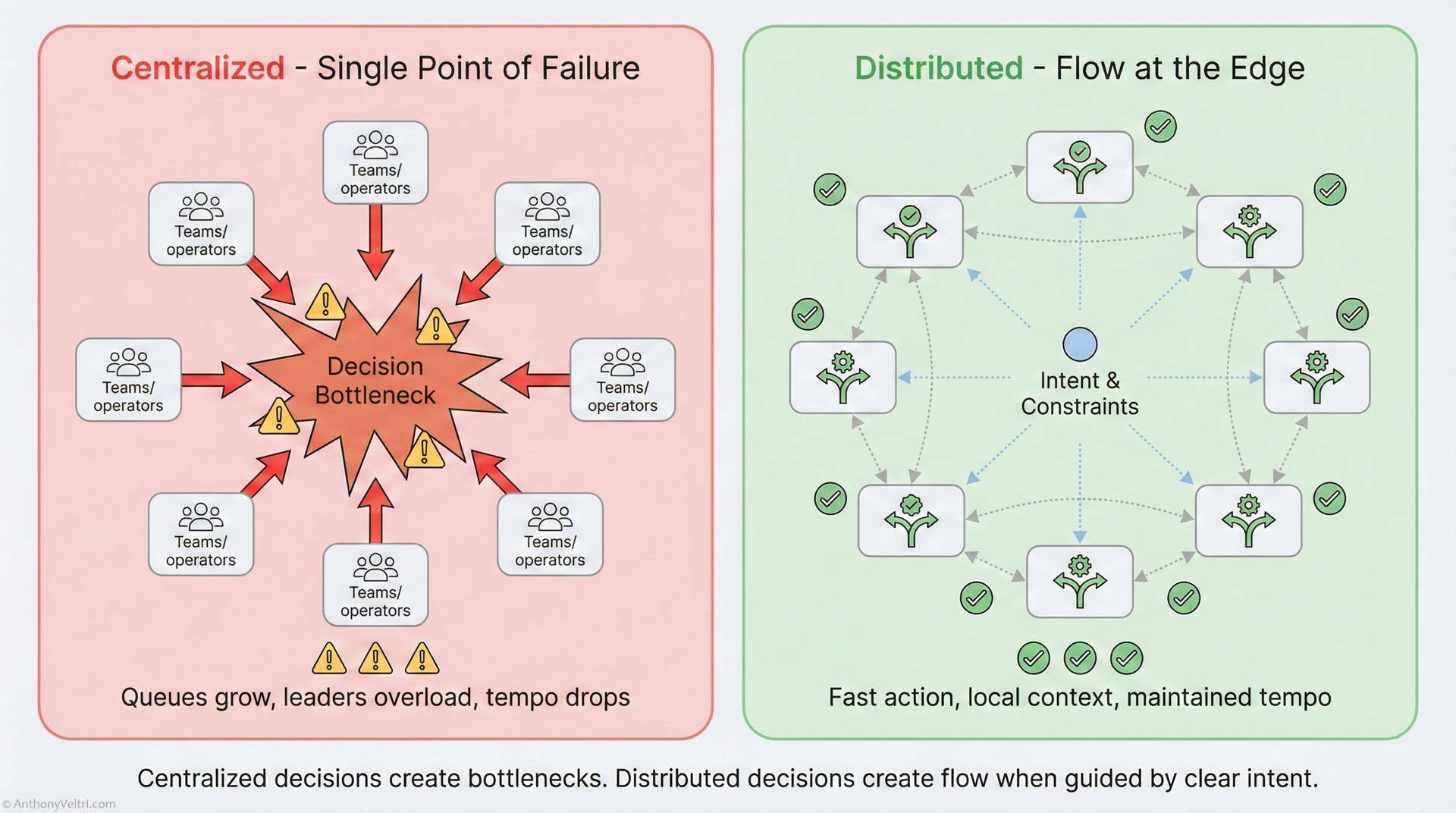
If your architecture bottlenecks teams, you have built a wall.
If your architecture accelerates teams, you have built a runway.
Lived Example: The workflow that slowed a team for six months #
A partner team once needed to onboard three new data feeds.
The architecture group at the time insisted on:
- a full documentation package
- a multi step review
- a cross agency governance check
- a strict certification process
- a six week cadence for decisions
The engineering team began quietly building workarounds:
- scripts outside governance
- parallel shadow environments
- temporary transforms
- manual processes
These workarounds worked because they were fast.
The architectural process did not work because it was slow.
The team succeeded despite the architecture, not because of it.
That is failure.
Architecture that slows people down collapses under real pressure.
Business Terms: What acceleration means #
Architecture should:
- clarify what good looks like
- simplify decision making
- reduce rework
- reduce escalation
- reduce delays
- reduce misalignment
- reduce approval cycles
- reduce ambiguity
Acceleration means:
- faster onboarding
- faster integration
- faster iteration
- faster understanding
- faster adoption
- faster delivery
Architecture accelerates by doing less of the wrong work and more of the right scaffolding.
It gives teams lift, not drag.
System Terms: What acceleration looks like in technical architecture #
Acceleration in system language means:
- reusable patterns
- stable interfaces
- standardized contracts
- consistent error handling
- predictable versioning
- known invariants
- clear boundaries
- low coupling
- low ceremony
- high clarity
Acceleration is not speed of code.
Acceleration is speed of coordination.
Architecture accelerates when teams know:
- where to plug in
- how to extend
- how to evolve
- what not to touch
- what will break downstream
- how to comply without slowing down
Acceleration is baked into system topology.
Why Architecture Bottlenecks Happen #
Business perspective #
Architecture bottlenecks form when:
- governance is too heavy
- approvals take too long
- priorities are unclear
- architects try to control everything
- leadership treats architecture as a gate
- teams fear doing things “wrong”
- architects operate with compliance, not commitment
This creates:
- waiting
- frustration
- shadow systems
- political avoidance
- low morale
Bottlenecks kill initiative.
System perspective #
Technical bottlenecks form when:
- interfaces are too strict
- coupling is too high
- patterns are too rigid
- the architecture is designed for ideal conditions
- anti patterns are forbidden instead of tolerated and contained
- updates require synchronized releases
- reviewers are overloaded
When the architecture becomes more complicated than the problem, teams go around it.
Why Acceleration Is the Architect’s Real Job #
Architects accelerate by:
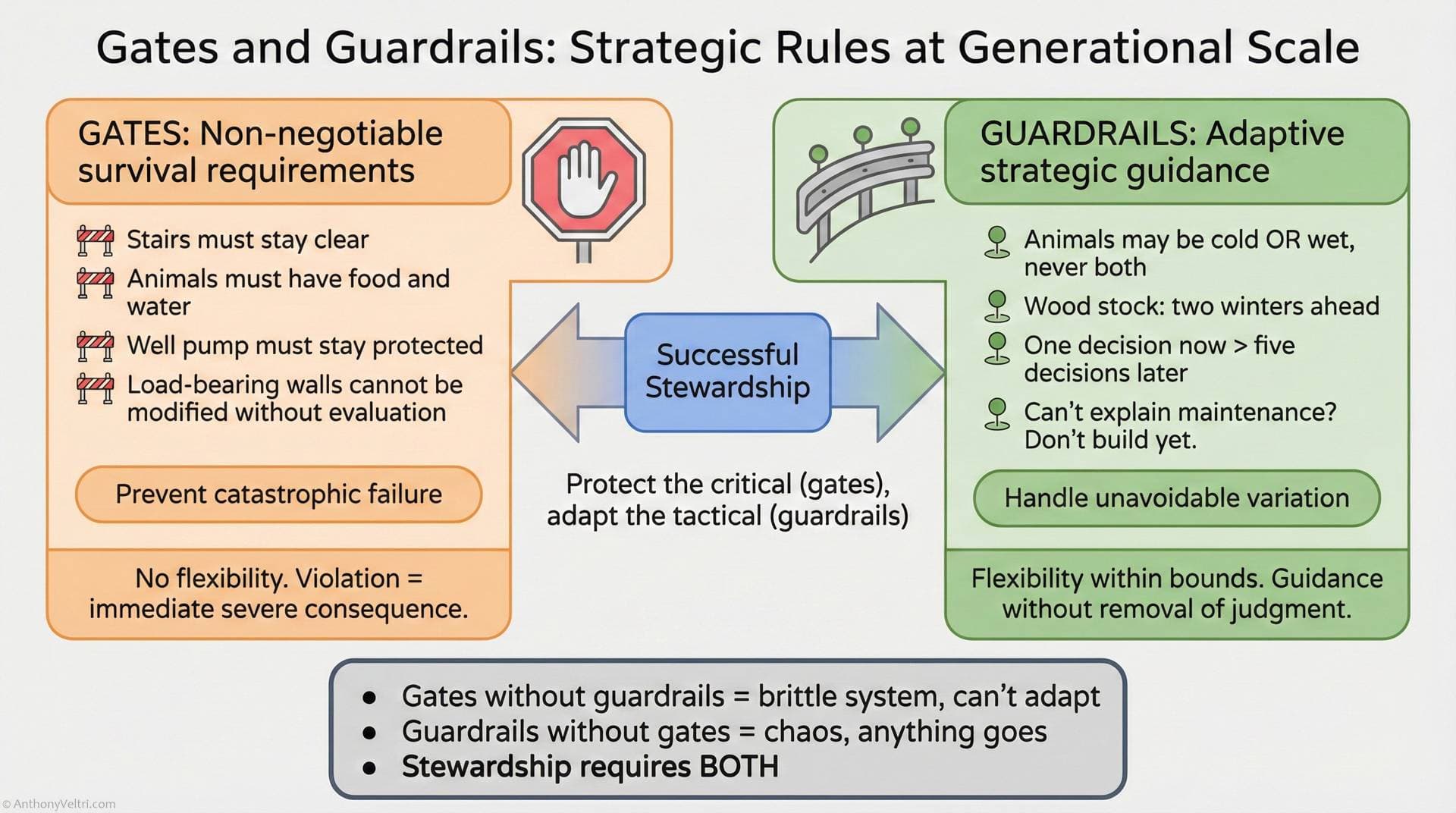
- setting patterns
- clarifying boundaries
- owning decisions
- preventing rework
- offering guidance early
- translating intent
- removing redundant steps
- designing predictable interfaces
- building templates, not gates
- shielding teams from leadership noise
- reducing dependency chains
Acceleration is not about moving fast and breaking things.
Acceleration is about moving clearly and coordinating well.
Fast is useless if it is chaotic.
Slow is useless if it kills initiative.
Clear is the answer.
Business Example: The onboarding pattern that cut a month of work down to two hours #
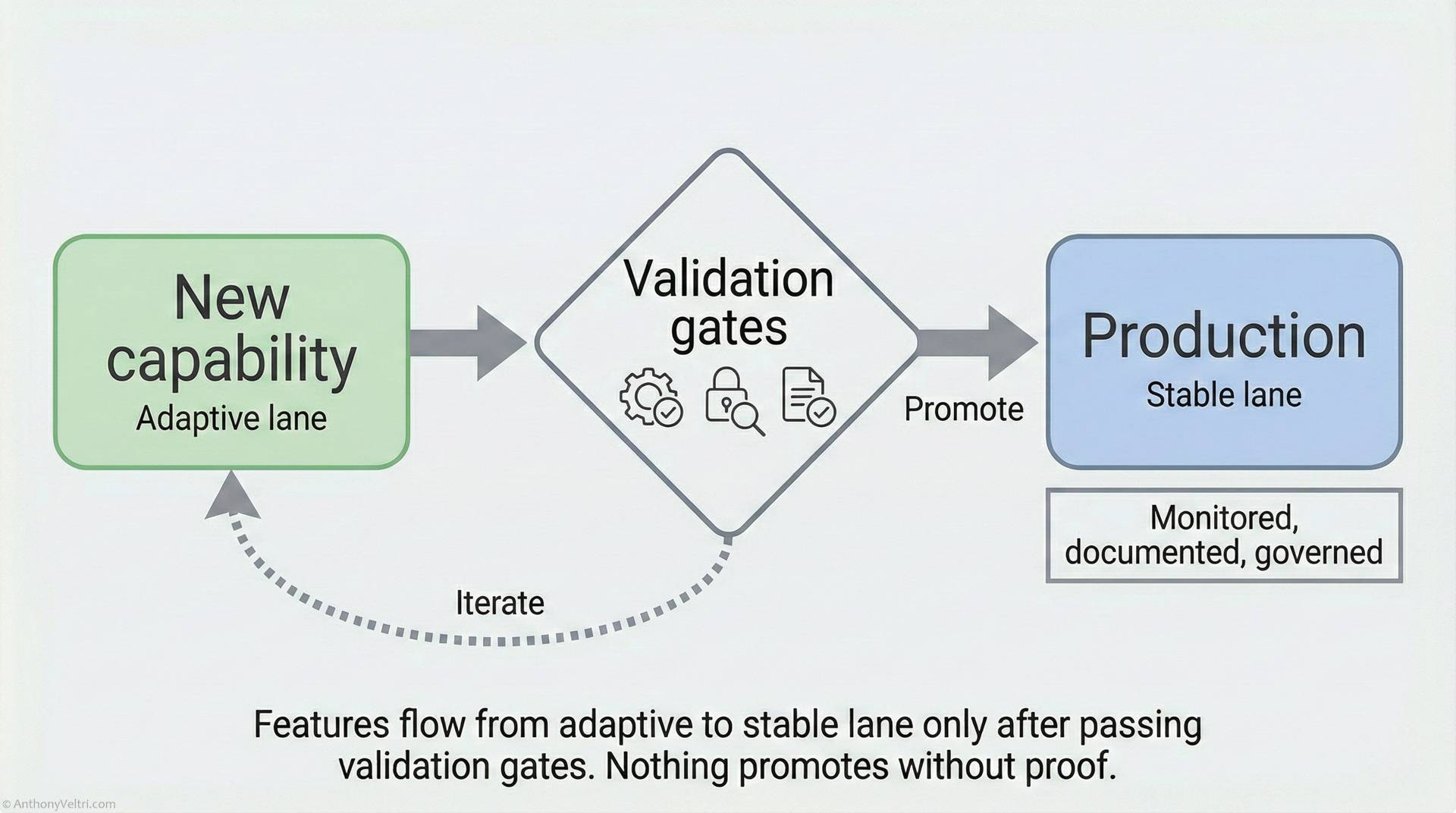
Teams used to spend weeks onboarding partner feeds because each integration required custom alignment.
As architect, we created:
- a standard ingest pattern
- a checklist
- a basic transformation template
- a clear versioning guide
- confidence indicators
- required and optional fields
- fallback behavior
Once this pattern existed, a partner could onboard themselves.
What took a month took two hours.
That is architectural acceleration.
System Example: The reusable connector that eliminated 90 percent of effort #
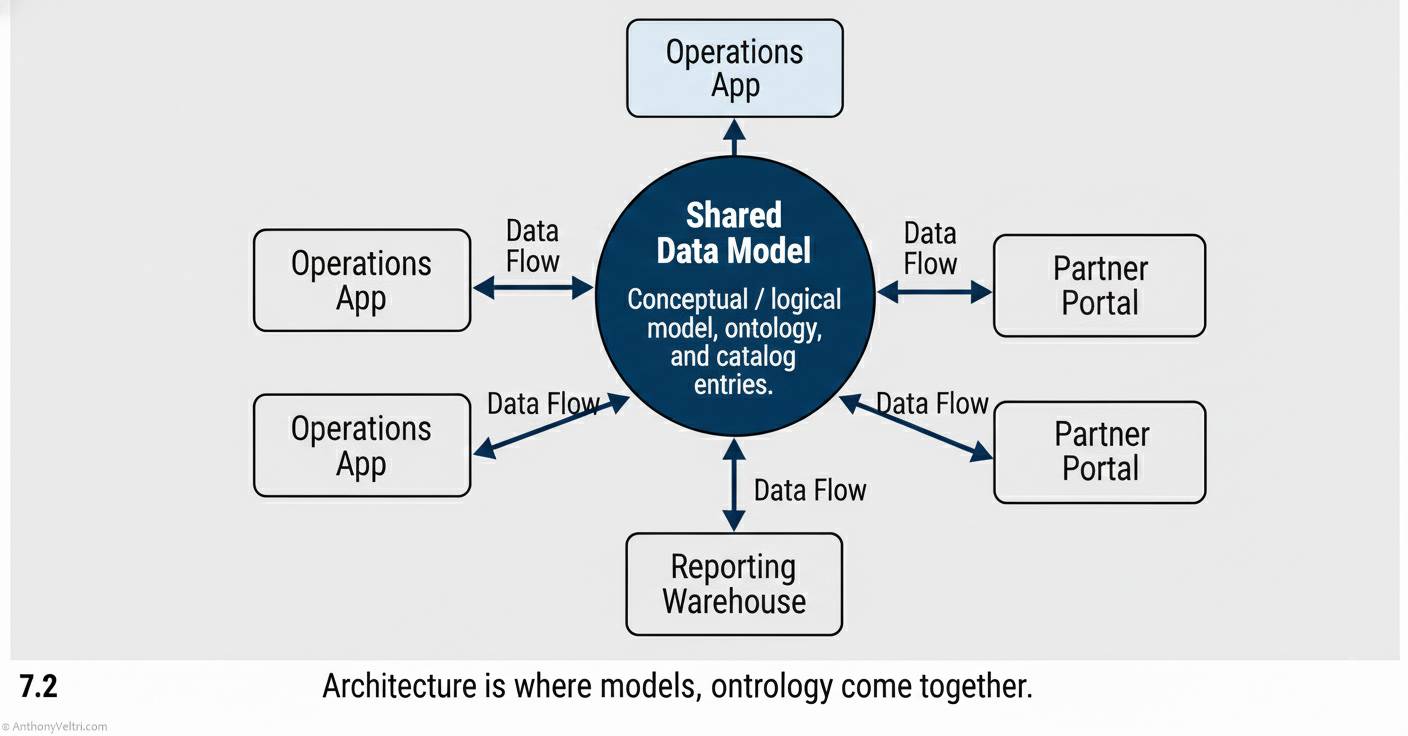
In iCAV, early feed connectors were hand-built.
Later, we created a reusable connector pattern:
- shared parsing
- shared caching
- shared error handling
- shared schema mapping
- shared logging
- shared confidence scoring
This allowed:
- small variations to be handled easily
- partner diversity to be absorbed
- new feeds to appear quickly
- troubleshooting to become predictable
- upgrades to be safer
Teams could build on top of a stable foundation instead of starting from scratch.
That is acceleration through architecture.
Architect Level Principle #
As an architect, I design patterns, boundaries, and contracts that accelerate teams.
Architecture is successful only when it makes the path forward clearer, faster, and safer.
If it becomes a bottleneck, it has failed.
Twenty Second Takeaway: #
“Architecture should never slow teams down. My job is to create patterns and boundaries that make it easier and faster to deliver value. When the architecture removes friction and reduces decisions, teams accelerate. If architecture becomes a bottleneck, it is not architecture.”
Cross Links to Other Principles #
Acceleration is supported by:
- Useful interoperability
- Two-lane systems
- Interfaces and ownership
- Innovation at the edge
- Distributed decisions
- Clear intent
- Portfolio thinking
- Decision drag
Acceleration is the outcome when the rest of the doctrine is implemented correctly.
Doctrine Diagnostic – For Reflection: #
Ask yourself:
Does your architecture lift teams up or slow them down?
If the answer is slowdown, the architecture is wrong.
Fix the friction.
Build the runway.
Last Updated on February 22, 2026