Roles As Protocols: Task Books And Swappability In Crisis
Most organizations talk about roles as if they were job titles.
You are a project manager. You are an analyst. You are a specialist. On paper, that sounds clear. In reality, those titles describe a person far more than they describe a protocol.
Wildland fire does it differently.
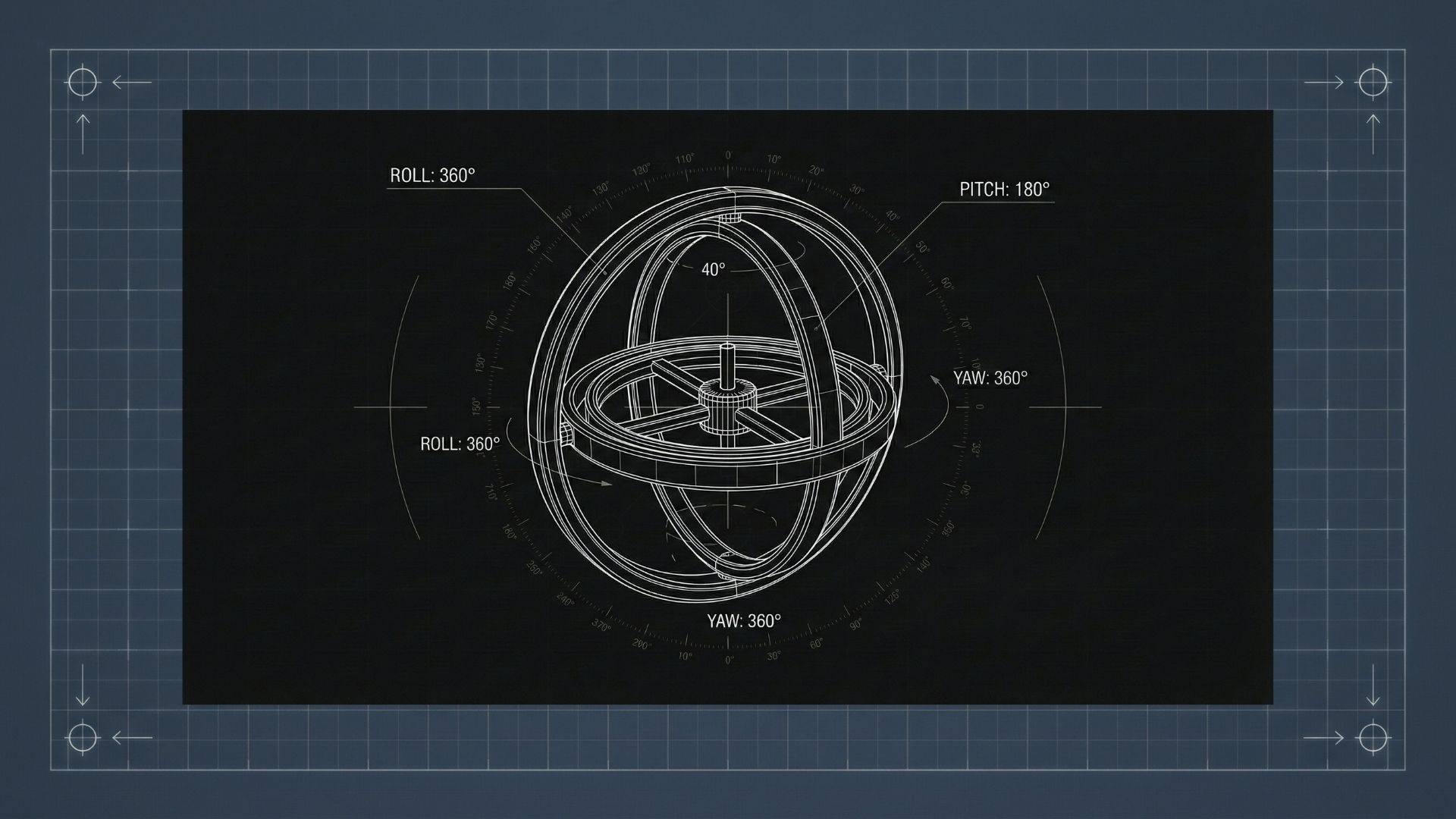
Inside the National Wildfire Coordinating Group (NWCG) and the Incident Command System (ICS), a role is closer to an API than to a job title. It is a defined interface for behavior. It has inputs, outputs, and conditions under which it works. You can swap in a qualified person from another agency and the role still makes sense.
The secret is the task book.

In much of the U S federal government, training is thinly disguised compliance. The annual IT security refresher is not there to make you excellent at security. It is there so you cannot say “nobody told me” after a breach. The real purpose is to log that you clicked through slides and checked the box.
Wildland fire training has compliance pieces, but the heart of qualification is the task book.
If you want to:
- Work dispatch at a geographic area
- Run the Resource Ordering System (ROSS)
- Sit in logistics, operations, or finance
- Serve as a radio operator, helicopter crew member, Sawyer, crew boss, or even Incident Commander
There is a task book for that.
A task book is not a slideshow. It is a list of real-world tasks that must be performed and observed.
You might have required classroom courses, but that is only part of it. To be signed off, you must actually do the work, often on a live incident, and have someone who already holds that qualification sign that you met the standard.
It is close to how a Boy Scout merit badge works, but with aircraft overhead and line of fire.
The effect is profound.
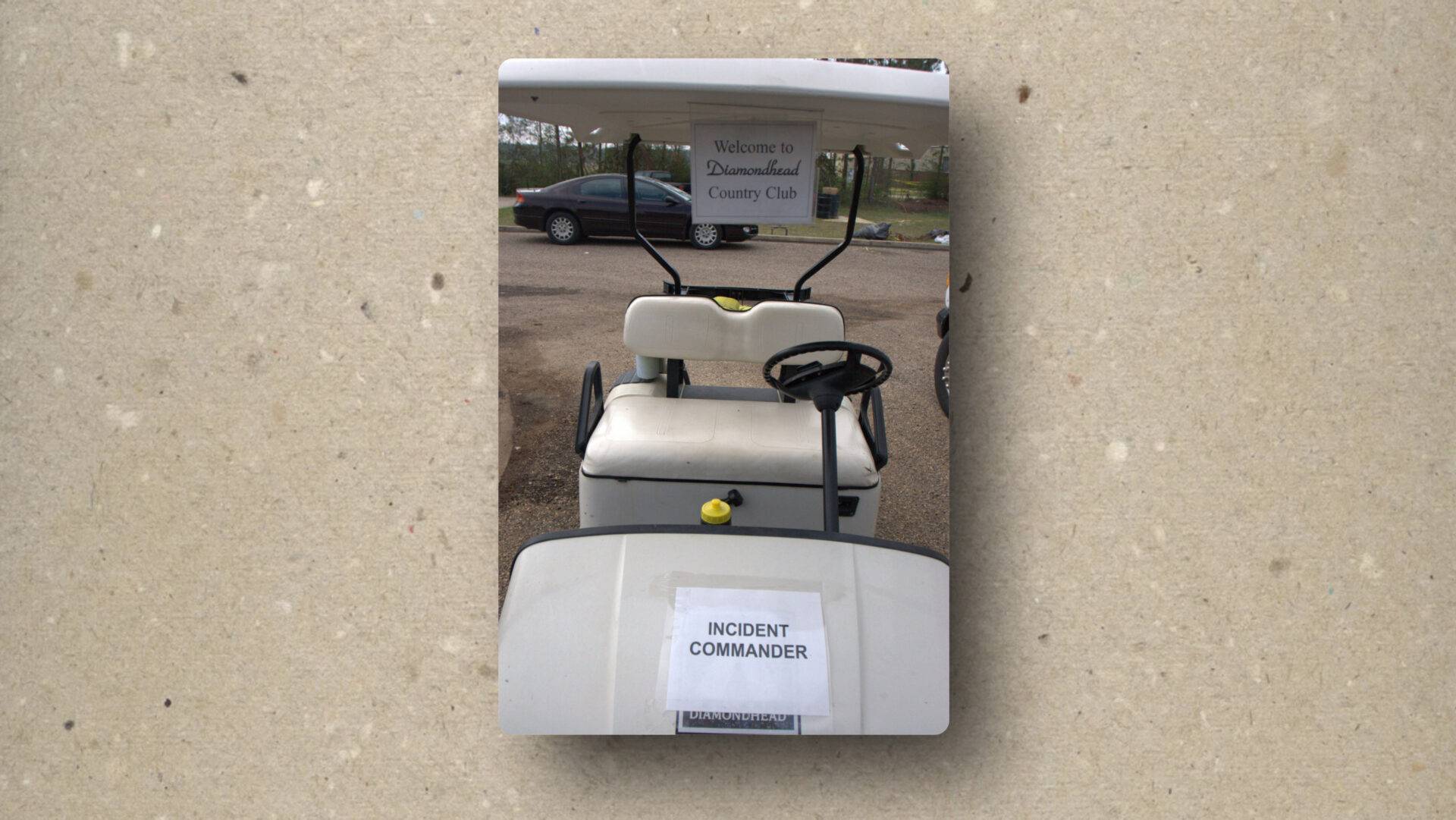
If I am a qualified Incident Commander with a completed task book, I can hand off to another IC at the end of an operational period. That person may be from a different agency, even a different region, yet they can step into the role and continue the work.
Because the role is not “some person called boss.”
It is a protocol with a shared understanding of:
- What information you receive and provide
- Which decisions you own and which you escalate
- How you interact with operations, logistics, and plans
- What a clean handoff looks like
Every other identified position in ICS works the same way. Dispatcher. Resource unit leader. Helicopter base manager. Sawyer. Radio operator. Logistics chief. Each has a task book and a clear interface.
That is how you get the swappability that almost no other civilian part of the federal government has.
You can take someone from BLM, Forest Service, or Park Service, and if they hold the same NWCG/ICS taskbook/qualification, they can sit in the same chair (or stand on a helicopter skid) on an incident and perform the same function. There are differences in culture and flavor, but the protocol is common.
People are proud of those task books. Not because they look good in a file, but because the signatures mean something.
- A signed task is not “you watched the video.”
- It is “you did the work, under pressure, and someone who knows the job put their name under yours.”
The doctrine here has at least four layers.
1. Training as protocol, not paperwork
Most organizations use training to protect themselves. NWCG uses task books to protect the mission.
A protocol-centered approach says:
- What must this role be able to do, say, decide, and hand off
- How do we observe those behaviors in the real world
- Who is qualified to attest that they happened
You can still have online modules and reference documents. They just do not pretend to be the whole story.
2. Roles as interchangeable slots
In crisis, you cannot afford roles that only make sense in one office.
Swappability requires that:
- The role is defined in terms of function, not personality
- The information flows in and out are consistent
- The authority and responsibility are clear enough for a stranger to step in after a briefing
ICS and NWCG demonstrate that you can get people who have never worked together to operate as a coherent team in a matter of hours. They do it because they have treated roles as protocols for years, not because they have magical hiring.
3. Validation by peers, not just by HR

In the task book system, your peers and supervisors sign off on practical tasks. The validation is horizontal as well as vertical.
That changes behavior.
People do not want to sign off on someone who looked good on paper but will get someone hurt. Reputation and responsibility travel with the ink. The task book becomes a social contract inside a technical one.
4. Commitment wrapped inside compliance

A completed task book is compliant. It satisfies requirements. It can be audited.
More importantly, it is an artifact of commitment.
Pursuing a qualification is a choice. It means more nights away from home. More time on incidents. More responsibility when things go sideways. People pursue these task books because they want to contribute at higher levels, not because someone checked a box for them.
That commitment is what makes swappability work. You are not just swapping a body into a chair. You are swapping in someone who has already chosen to own that level of responsibility.
For architects and leaders outside wildland fire, the lesson is simple.
If you want true role level interoperability in your organization or alliance:
- Stop treating roles as vague job titles. Write them as protocols.
- Design training that culminates in observed competence, not just quiz scores.
- Let people who actually do the work sign off on newcomers.
- Make qualifications portable across units so that a person from Team A can sit in the same “slot” on Team B with minimal friction.
You will not recreate NWCG overnight. Their system is the product of decades of hard experience and painful lessons.
You can, however, steal the pattern.
The next time you see a role that only makes sense inside one particular manager’s head, ask yourself:
- What would the task book for this role look like
- What would someone need to actually do, in reality, to be trusted with this slot
- Could I swap in a qualified person from another team tomorrow without chaos
If the answer is no, your problem is not just staffing. It is protocol.
Roles as protocols. Task books as proof. Swappability in crisis as the payoff.
Last Updated on May 3, 2026