Commitment Over Compliance: How Technical Teams Actually Deliver
On paper, compliance sounds like a strength. The system is compliant. The team is compliant. Audits are passed. Boxes are checked.
In practice, compliance is table stakes. It keeps you out of trouble. It does not get hard things done.
The teams that actually deliver are committed. They understand the mission, believe in the intent and are willing to carry responsibility instead of just completing tasks.
I did not start my career with that distinction. Early on, I treated requirements and process as the main levers. If the plan was clear and the tickets were assigned, the work should happen. When it did not, I looked for missing instructions, not missing commitment.
Over time, especially in federal environments with long time horizons and high stakes, I noticed a pattern. The same people who were technically excellent could either become unstoppable or disengaged depending on whether they felt connected to the mission.
On a USDA cloud migration, I stepped into a program where the engineers had been treated as a ticket queue. They were competent and experienced, but their work had been sliced into tiny requests with little context. Their incentives were to close tickets, not to solve problems.
We changed three things.
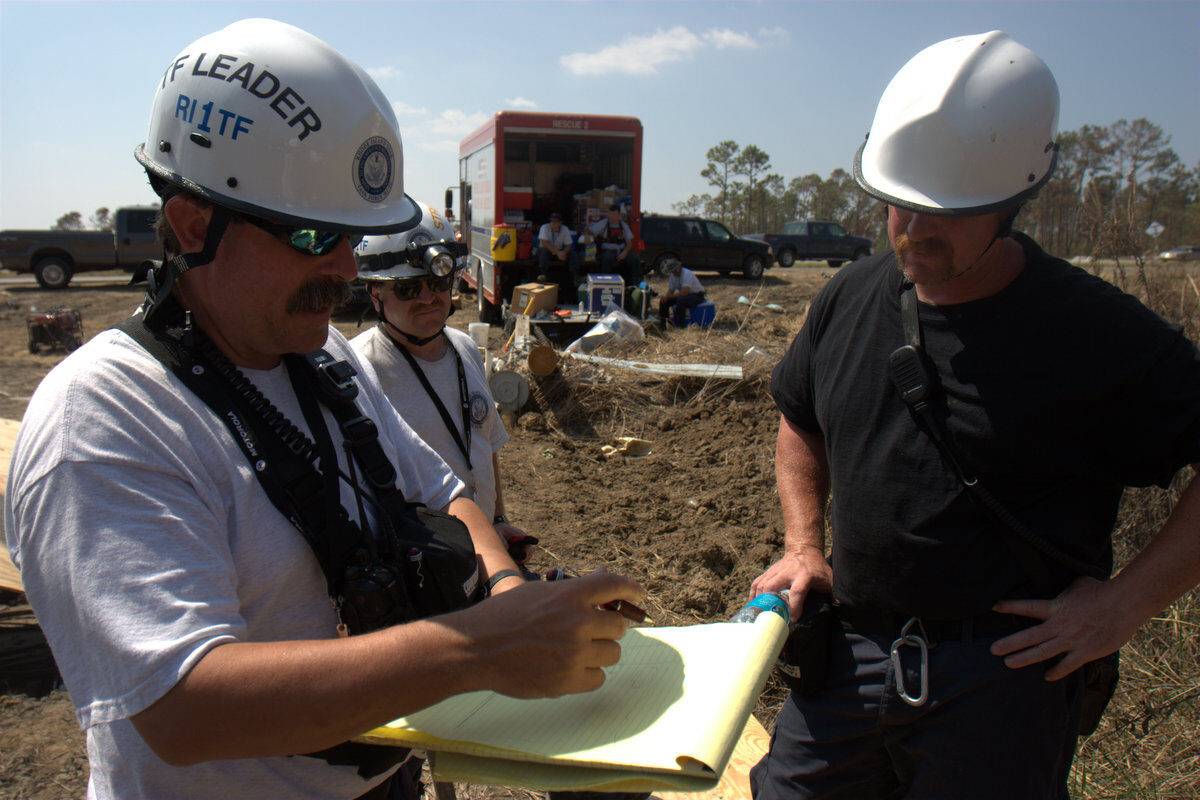
First, we attached the work to a real story. This was not just “move a system to the cloud.” It was “give field staff a more reliable, faster system before fire season, so they are not waiting on slow reports during peak risk.” That was not marketing language. It was the truth.
Second, we involved the team in shaping the plan. Instead of dictating a sequence, we brought them into backlog refinement and risk identification. They told us which parts of the stack were brittle, which dependencies were under documented, and what order would actually work. Their professional judgment became part of the design.
Third, we made risk a shared conversation, not a weapon. We held regular risk huddles where anyone could surface an issue. No blame for the person who found the problem. Instead, recognition for the person who prevented an outage.
The compliance work still happened. Security questionnaires were completed. Change records were written. Policies were respected. None of that went away.
The difference was that the team cared. They could see the faces behind the system. They had latitude to influence how we got there. They were trusted to report bad news early.
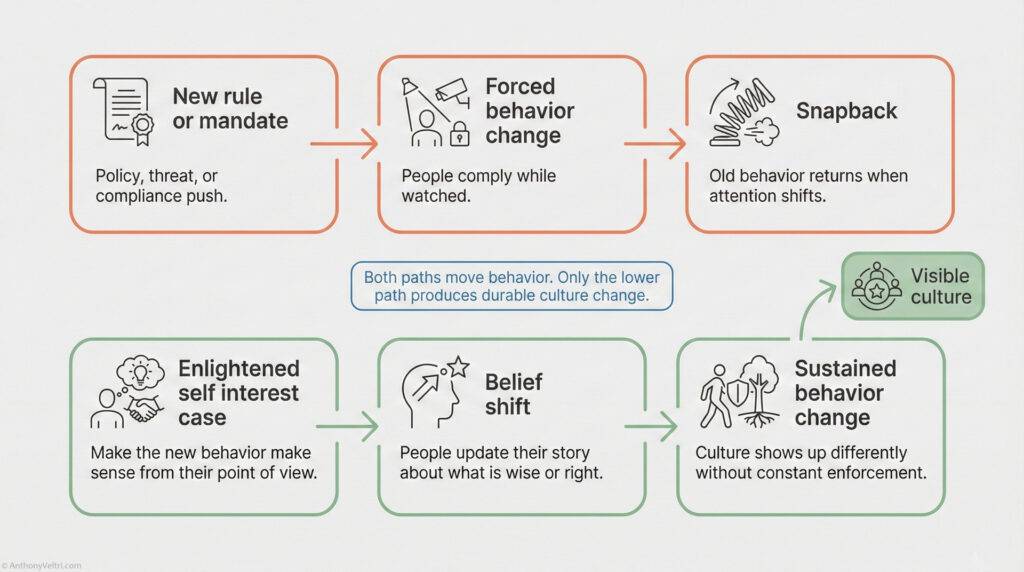
Commitment is not warm and fuzzy. It is practical. Committed teams:
- Raise their hand when something is off, instead of quietly working around it.
- Push back when a plan is unrealistic, which prevents failures later.
- Go the extra step to fix root causes, not just symptoms, because they see themselves as stewards, not renters.
Compliance alone will give you a system that looks good in an audit, until a real world event exposes the gaps. Commitment, layered on top of compliance, gives you a system that survives contact with reality.
My doctrine here is short.
Compliance keeps you honest with the past and the contract. Commitment keeps you honest with the mission and the future.
You need both. If forced to choose where to invest your energy as a leader, choose commitment. The people who are committed will figure out the compliance details. The reverse is rarely true.
On paper, compliance sounds like a strength. The system is compliant. The team is compliant. Audits are passed. Boxes are checked.
In practice, compliance is table stakes. It keeps you out of trouble. It does not get hard things done.
The teams that actually deliver are committed. They understand the mission, believe in the intent and are willing to carry responsibility instead of just completing tasks.
I did not start my career with that distinction. Early on, I treated requirements and process as the main levers. If the plan was clear and the tickets were assigned, the work should happen. When it did not, I looked for missing instructions, not missing commitment.
Over time, especially in federal environments with long time horizons and high stakes, I noticed a pattern. The same people who were technically excellent could either become unstoppable or disengaged depending on whether they felt connected to the mission.
On a USDA cloud migration, I stepped into a program where the engineers had been treated as a ticket queue. They were competent and experienced, but their work had been sliced into tiny requests with little context. Their incentives were to close tickets, not to solve problems.
We changed three things.
First, we attached the work to a real story. This was not just “move a system to the cloud.” It was “give field staff a more reliable, faster system before fire season, so they are not waiting on slow reports during peak risk.” That was not marketing language. It was the truth.
Second, we involved the team in shaping the plan. Instead of dictating a sequence, we brought them into backlog refinement and risk identification. They told us which parts of the stack were brittle, which dependencies were under documented, and what order would actually work. Their professional judgment became part of the design.
Third, we made risk a shared conversation, not a weapon. We held regular risk huddles where anyone could surface an issue. No blame for the person who found the problem. Instead, recognition for the person who prevented an outage.
The compliance work still happened. Security questionnaires were completed. Change records were written. Policies were respected. None of that went away.
The difference was that the team cared. They could see the faces behind the system. They had latitude to influence how we got there. They were trusted to report bad news early.
Commitment is not warm and fuzzy. It is practical. Committed teams:
- Raise their hand when something is off, instead of quietly working around it.
- Push back when a plan is unrealistic, which prevents failures later.
- Go the extra step to fix root causes, not just symptoms, because they see themselves as stewards, not renters.
Compliance alone will give you a system that looks good in an audit, until a real world event exposes the gaps. Commitment, layered on top of compliance, gives you a system that survives contact with reality.
My doctrine here is short.
Compliance keeps you honest with the past and the contract. Commitment keeps you honest with the mission and the future.
You need both. If forced to choose where to invest your energy as a leader, choose commitment. The people who are committed will figure out the compliance details. The reverse is rarely true.
Last Updated on March 15, 2026