Field note: Conway’s law and the burden of federation
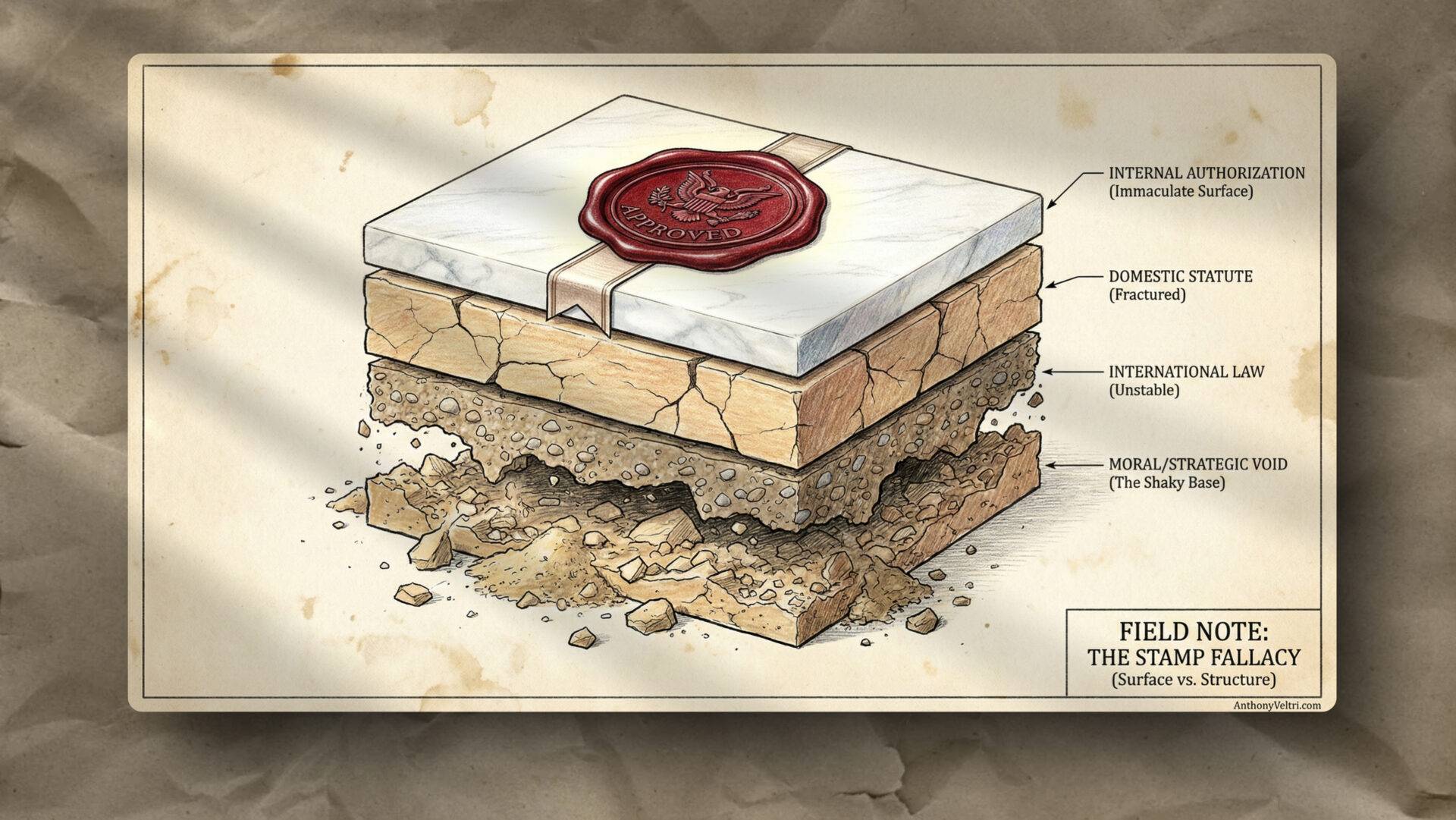
Doctrine Claim: Technical interoperability is impossible without organizational interoperability. When a federating body ignores the communication boundaries of its sovereign partners, the resulting system will predictably fracture.
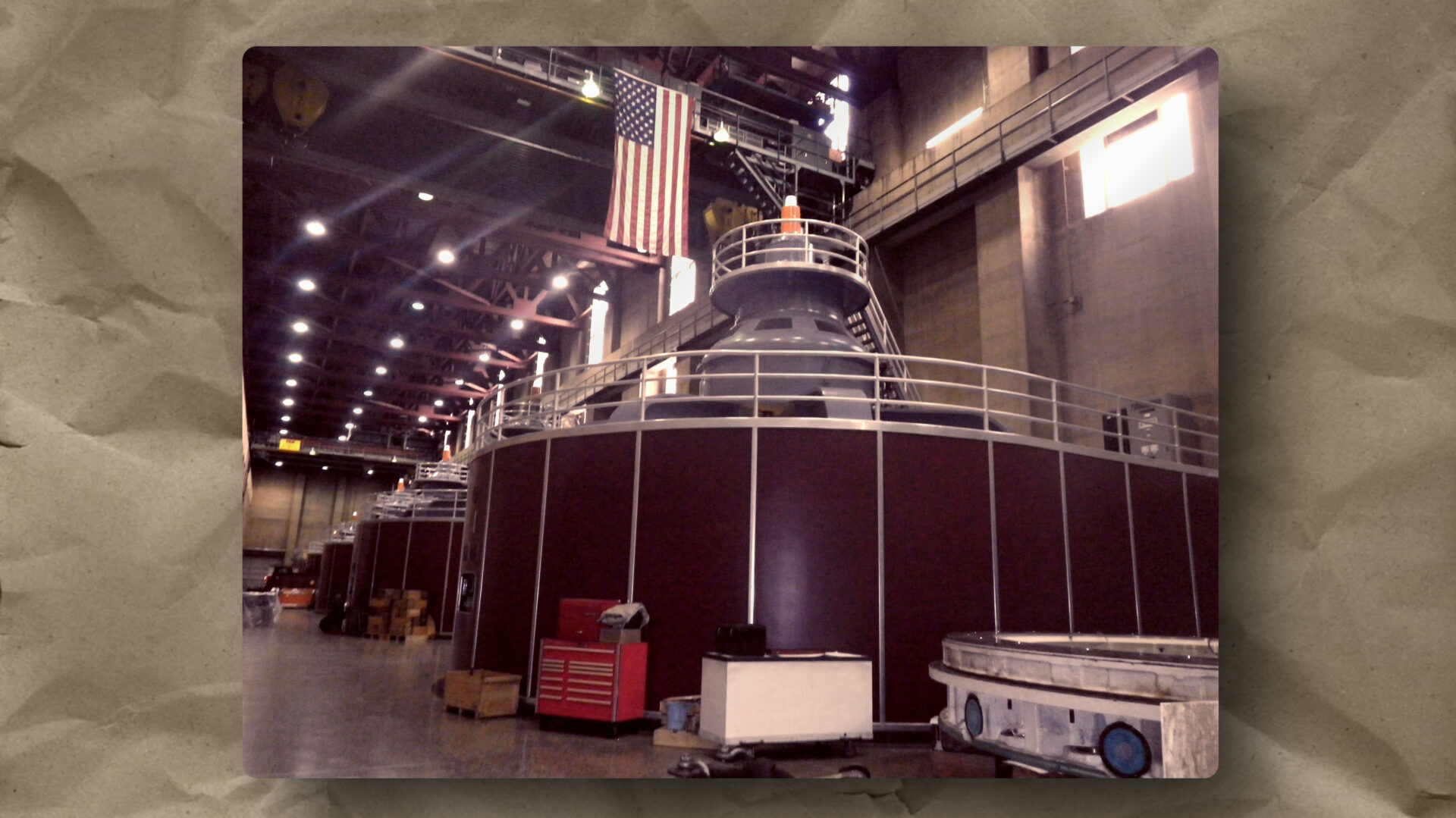
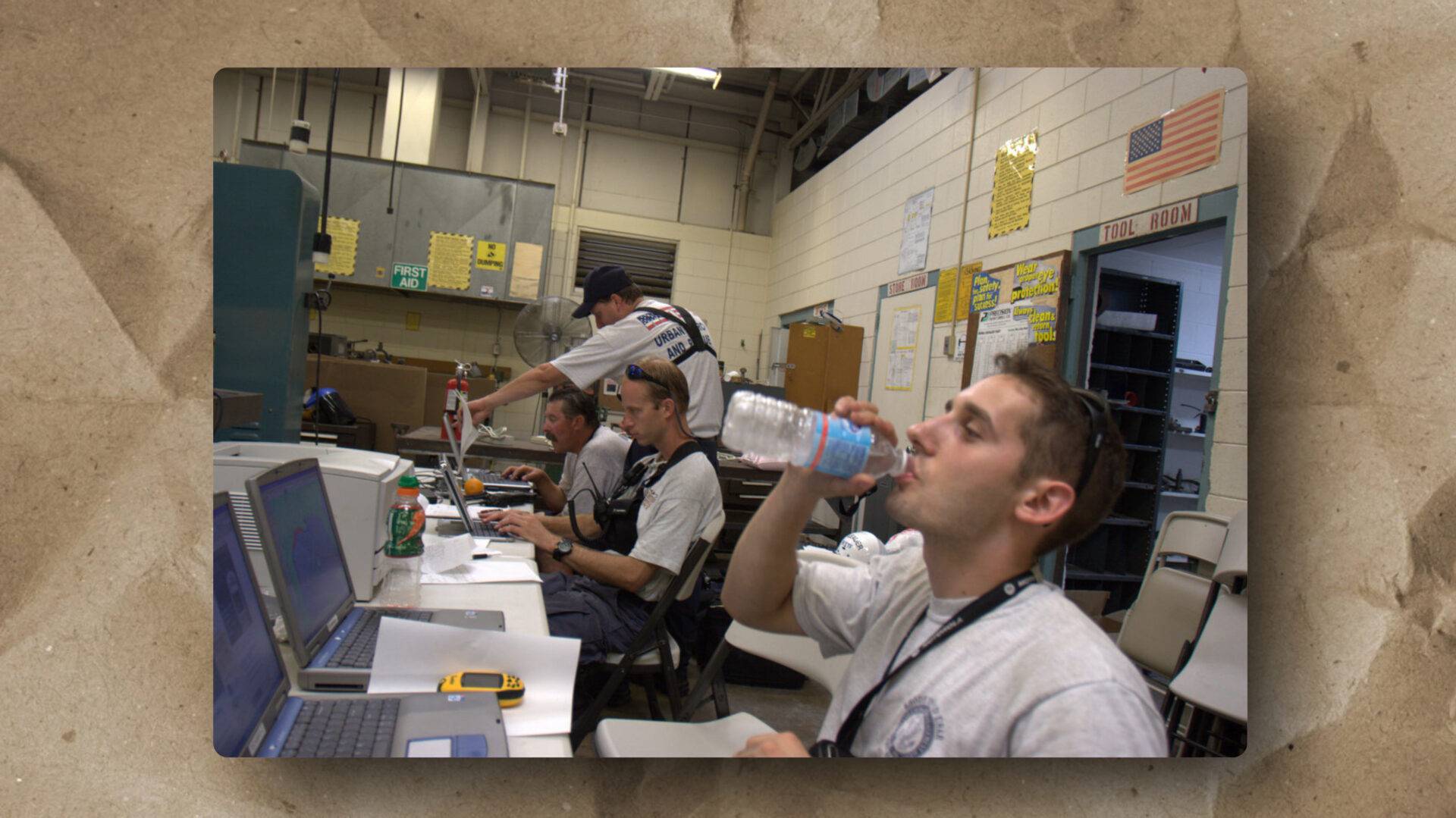
I watched the physical manifestation of Conway’s Law long before I knew the academic term for it. In 2005, a USAR team operated out of a high school auto shop in Hancock County during the Hurricane Katrina response. Sovereign partners (local fire departments, federal teams, and NGOs) were thrown into a degraded environment. They instinctively reverted to native, analog tracking systems like whiteboards in the hallway. The organizational communication boundaries were decentralized and fractured. The operational data fractured to exactly mirror those boundaries.

The standard institutional response to that kind of friction is an instinct to centralize. That instinct produced Gulf Viewer, which eventually scaled into the Department of Homeland Security’s Integrated Common Analytical Viewer (ICAV). The enterprise mandate was clear: one authoritative platform and one unified dashboard.
But mandating a single platform across thousands of sovereign state, local, and tribal partners ignores the physics of organizational behavior. Melvin Conway coined this principle in 1968, and modern researchers refer to it as the mirroring hypothesis. Any organization that designs a system will produce a design whose structure is a copy of the organization’s communication structure.
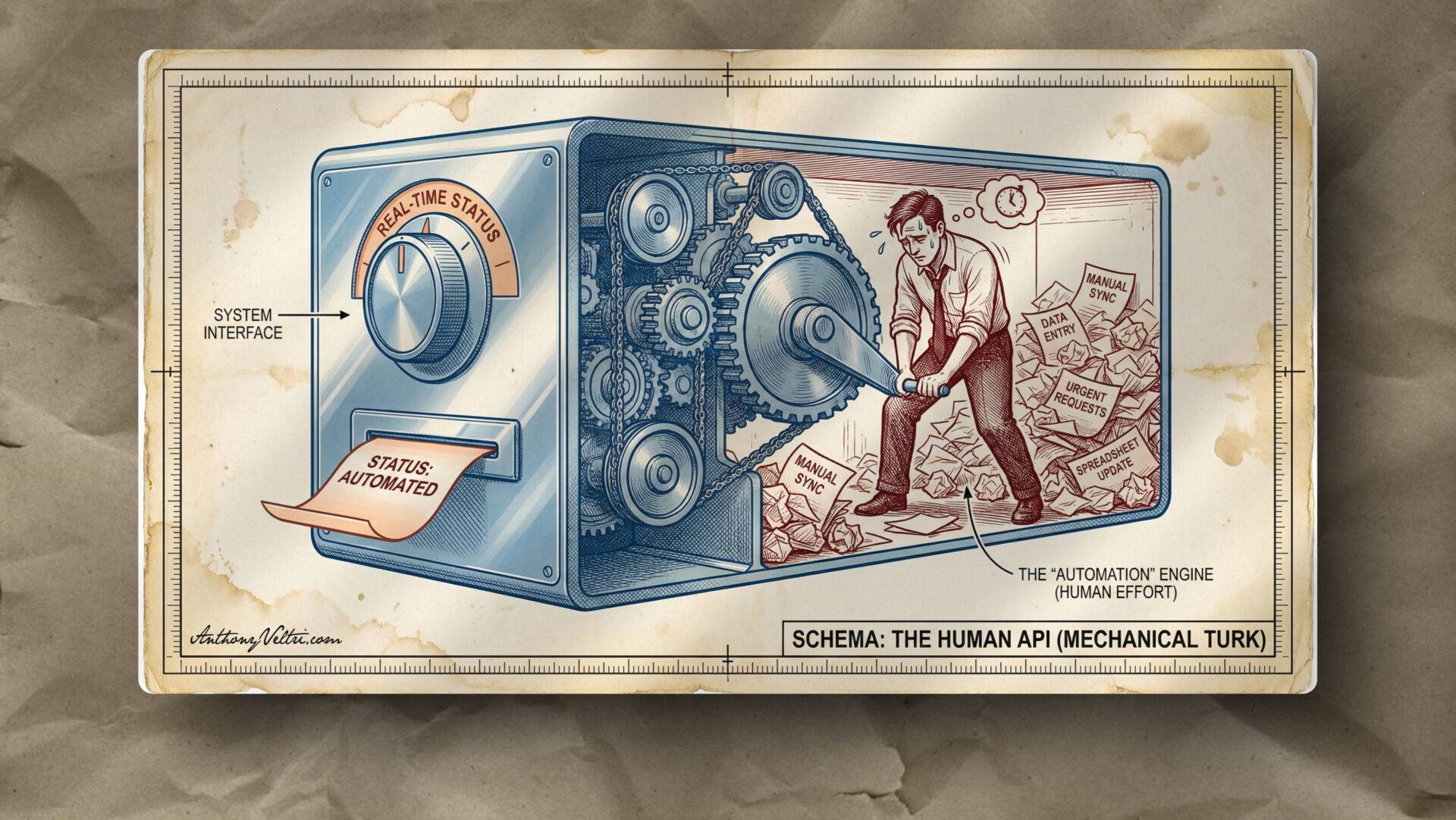
Because the partner agencies in the homeland security ecosystem had sovereign, distinct communication structures, the centralized platform we mandated hit a predictable wall. We encountered the adoption cliff. The local nodes operating with different legal boundary conditions, funding mechanisms, or metadata disciplines simply could not comply with a rigid enterprise standard. They bypassed the system to maintain their own local operational tempo. You cannot fix a schema mismatch with code when the actual mismatch is a governance boundary.
The operational breakthrough happens when an organization stops fighting Conway’s Law and starts architecting for it. The evolution from ICAV to the Geospatial Information Infrastructure (GII) marked the shift from a mandated application to a federated service environment.
This transition defines the practice of interface stewardship. Instead of demanding that heterogeneous partners change their internal shapes to fit a central dashboard, the federating organization accepts the burden of federation. The central body builds the middleware and stewards the seams. By providing bounded interfaces, we allow sovereign nodes to maintain their internal communication structures while still connecting safely to the broader mission envelope.
Executing this architecture requires a secondary discipline. Building the technical middleware is not enough to ensure survival. The technical execution is fragile without narrative infrastructure to defend it. It requires the lysine contingency. Without translating the operational reality upward to the executives who control the mandates and the budgets, the federated system will eventually be dismantled by a new leader looking for a cleaner, centralized whiteboard drawing.
The mirroring hypothesis does not stop at software. Any system an organization designs will reflect its communication structure, which means its hiring process, its performance review architecture, its knowledge management practice, and its institutional memory will all carry the same signature as the organization’s underlying governance logic. A compliance-first organization does not accidentally produce a compliance-first hiring system. It produces it predictably, for the same reasons Gulf Viewer hit the adoption cliff. The frame optimizes for defensibility. The instruments follow. Recognizing that pattern in a data architecture is the first step. Recognizing it in the systems that select and retain human capability is the harder and more consequential application.
Documentation, management papers, and historical records serve as a shield. They protect the engineering teams from impossible centralized mandates by proving that federation is not a compromise. It is the only architecture that survives in the wild.
Last Updated on May 7, 2026