Field Notes are stories from the field that show doctrine colliding with reality. Field notes are how I document what actually happened when systems, people, and missions intersected under pressure. Some went well. Some went sideways. All of them taught me something about how resilient systems really work.
These aren’t case studies cleaned up for a conference. They’re honest accounts from disaster deployments, federal systems work, wildfire operations, and coalition environments where the stakes were real and the playbook didn’t always apply.
Field Reports are deep dive applications of the doctrine to concrete problems. Where Field Notes tell short stories from the field, Field Reports walk through the full analysis, the numbers, the trade-offs, and the recommended moves. Most reports began as work I did for myself or a colleague, then cleaned up so others can reuse the thinking without repeating all the research and analysis.
New Here? Start With These:
Field Guides
The Mobile Mapping Unit That Changed Everything – How a self-funded 26-foot truck taught me (mostly) everything I know about forward-deployed systems
What The Katrina Book Was Really For – Why I wrote a book for Rhode Island USAR (narrative infrastructure, not vanity publishing)
Systems Built On Heroics Are Brittle – What Hurricane Florence cost me, and why “can-do culture” eventually breaks people
(Publication dates reflect when documentation was published, not when the work occurred).
These field notes draw from 20+ years of work (2005-2025). Some were written immediately after the events. Others were written years later when I finally had the distance to see the patterns clearly.
Publication dates reflect when I made the work public, not when the experience happened. You may notice evolution in voice and clarity across pieces. That’s because they were written at different points in my career, then published when I finally had the platform and capacity to share them.
Why Field Notes Matter
Doctrine guides explain principles. -> Field notes show what happens when those principles meet reality.
Doctrine is prescriptive. -> Field notes are descriptive (including when I got it wrong).
Doctrine is timeless. -> Field notes are time-stamped and context-specific.
If you want to understand the doctrine, read the guides. If you want to see where it came from (including the mistakes that led to it), read the field notes.

Regime Recognition and the Cost of Asymmetric Errors: When Post-Hoc Learning Beats Theory-First
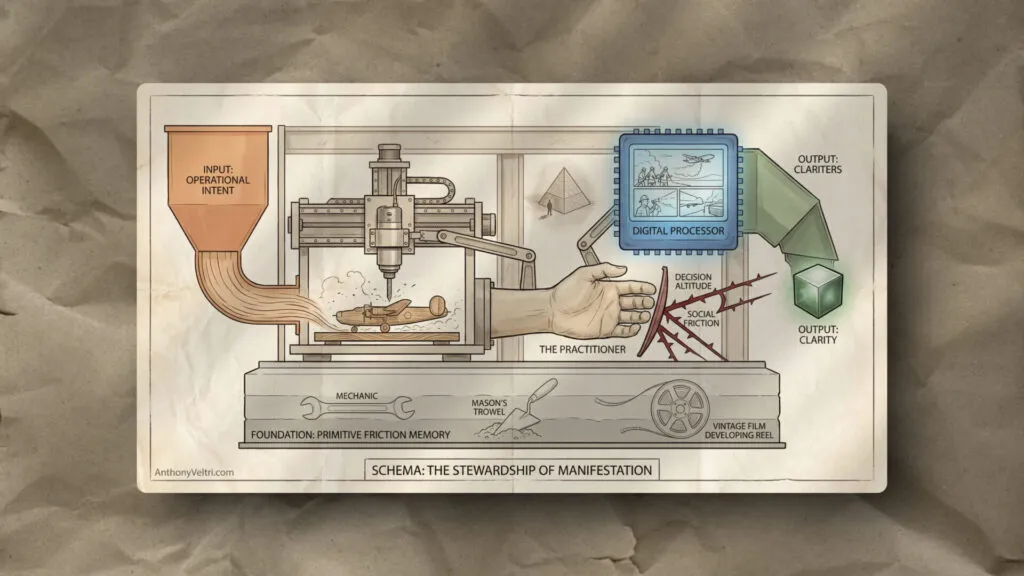
Reclaiming the Right to Orchestrate: Decision Altitudes and Why Your Chisel Doesn’t Give You the Right to Judge My Output
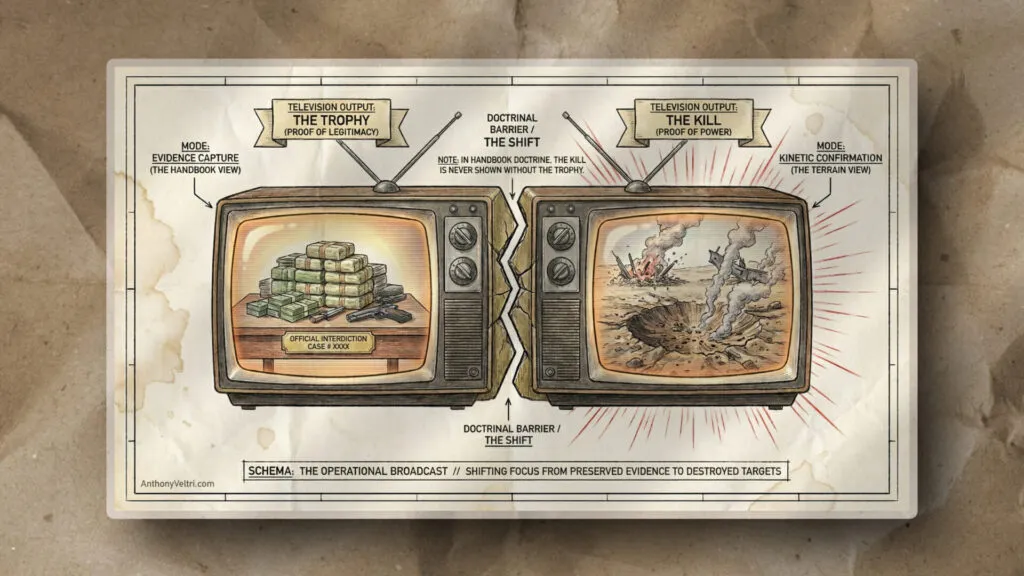
Field Note: Handbook vs Terrain – When Constraint Forecasting Failed and Indications Won
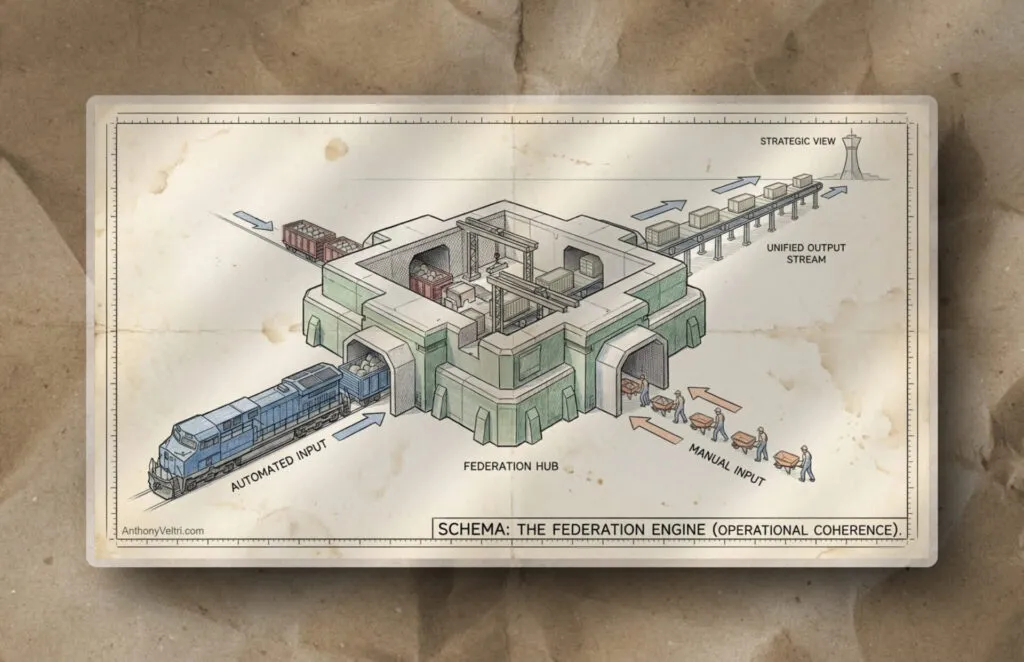
Field Note: The Human Cost of Interoperability (and the Legal Cost of Speed)
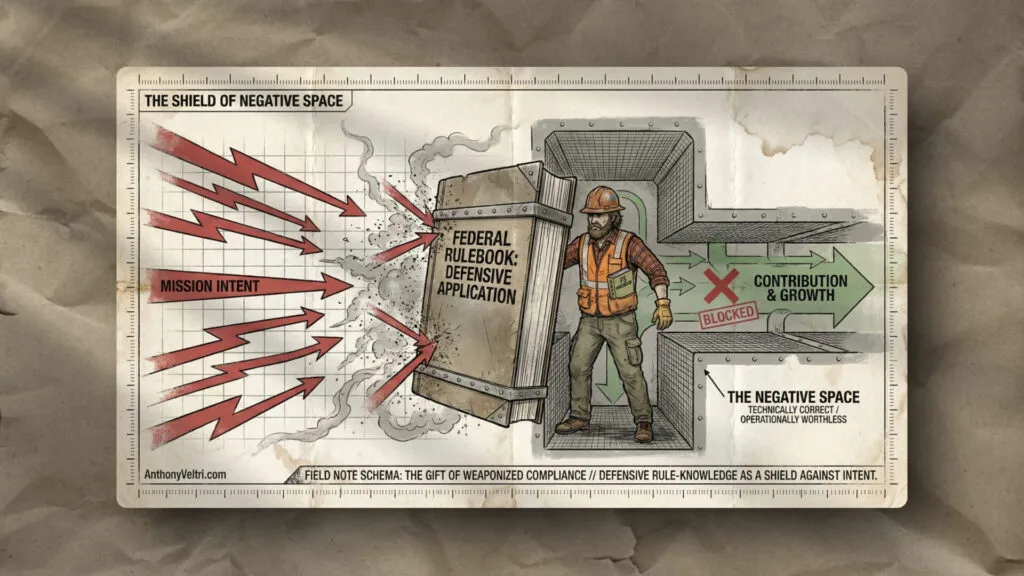
Field Note: The Gift of Weaponized Compliance
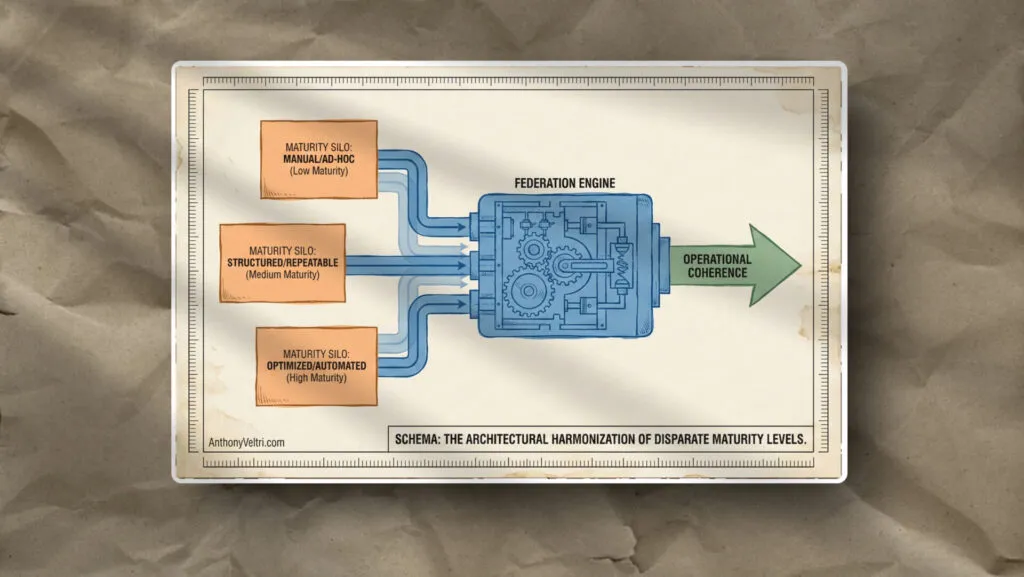
Field Note: Compass-X Recognition Patterns and Strategic Framing
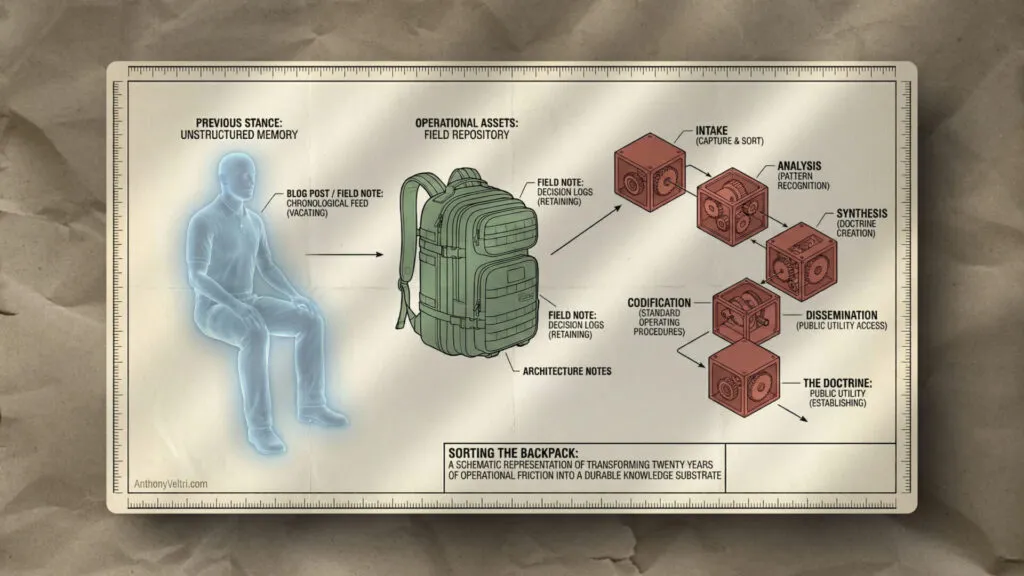
Field Note: Sorting the 20-Year Backpack
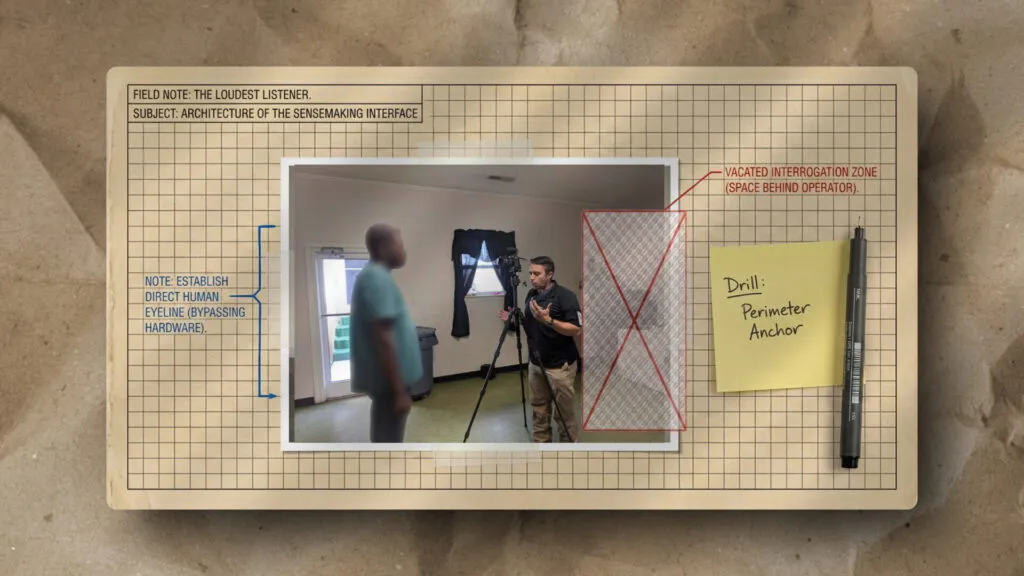
The Loudest Listener: When Interviews Become Something Else
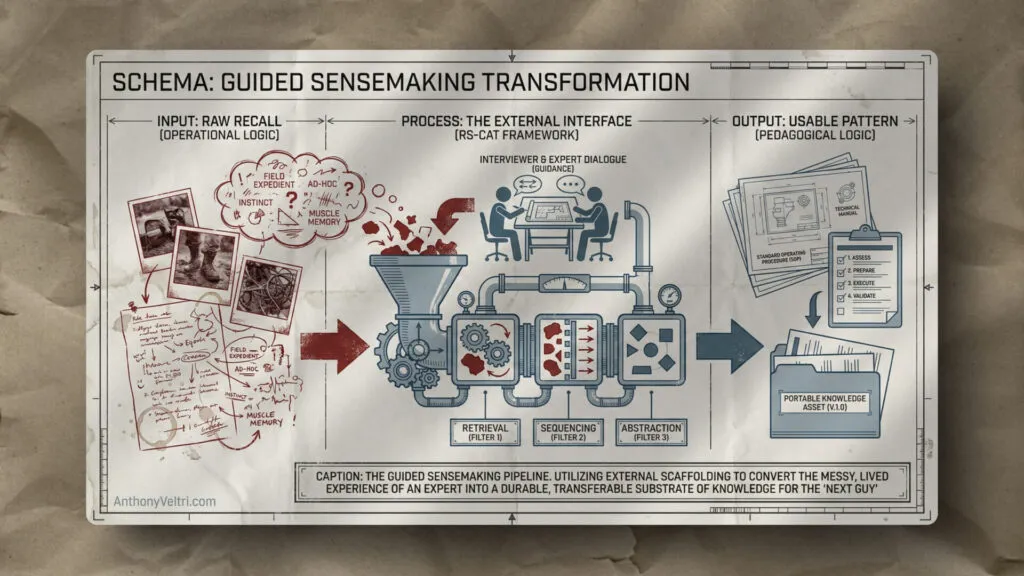
Field Note: Guided Sensemaking Interview
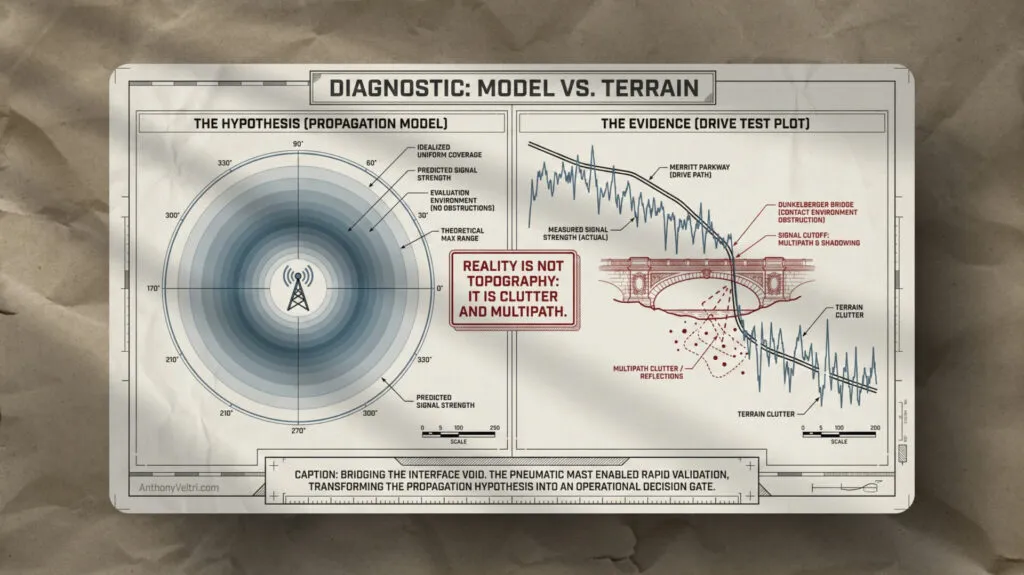
Model vs. Terrain: Bridging the Interface Void on the Merritt Parkway

Seeing the Dragon: The Magic Eye of Modern Governance

Field Note: “I already know that” and “I disagree” are learning kill switches
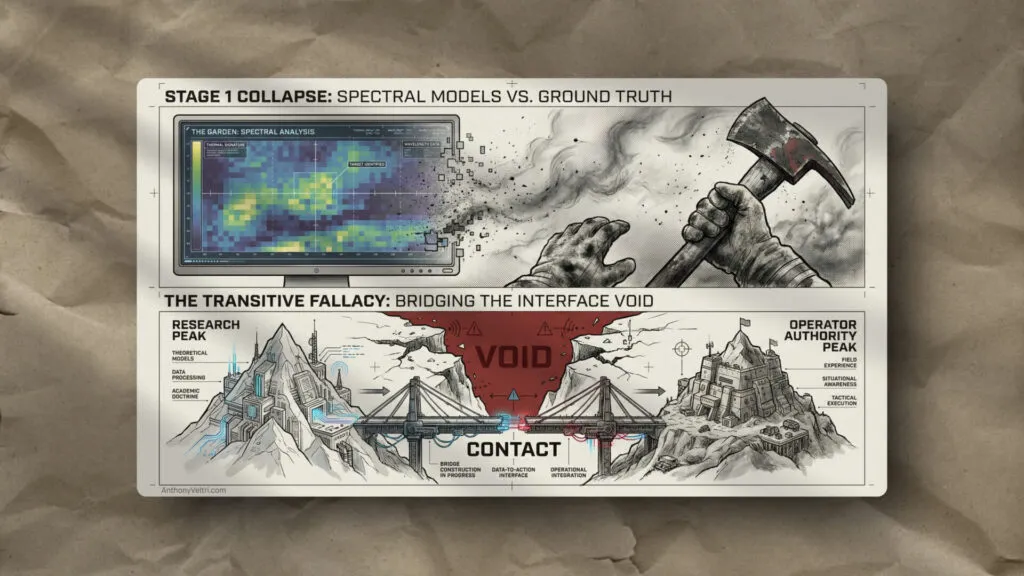
Field Note: The Lab and the Line
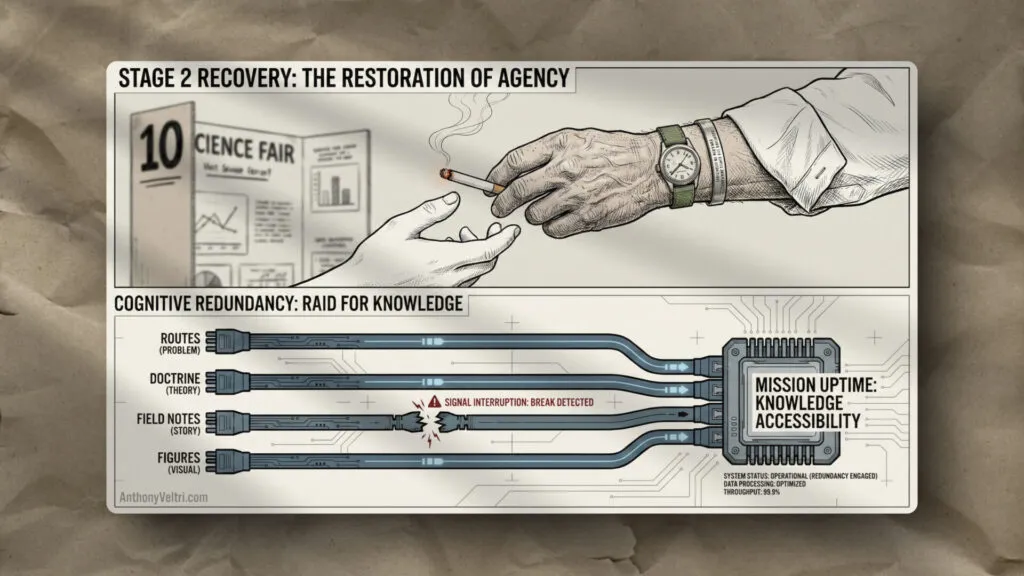
Why This Site Has Four Navigation Systems
How Field Notes Connect to Doctrine
Field notes don’t just tell stories. They anchor the doctrine guides with concrete examples.
For instance:
- The Mobile Mapping Unit story explains why federation works where integration fails
- The Katrina Book story shows narrative infrastructure in action
- Systems Built On Heroics explains why capacity matters more than can-do spirit
If a doctrine guide references a field note, it’s because that story proves (or complicates) the principle.