Schema as Sovereignty: Why Federated Systems Fail at the Seams
The Observation: The Tower of Babel API
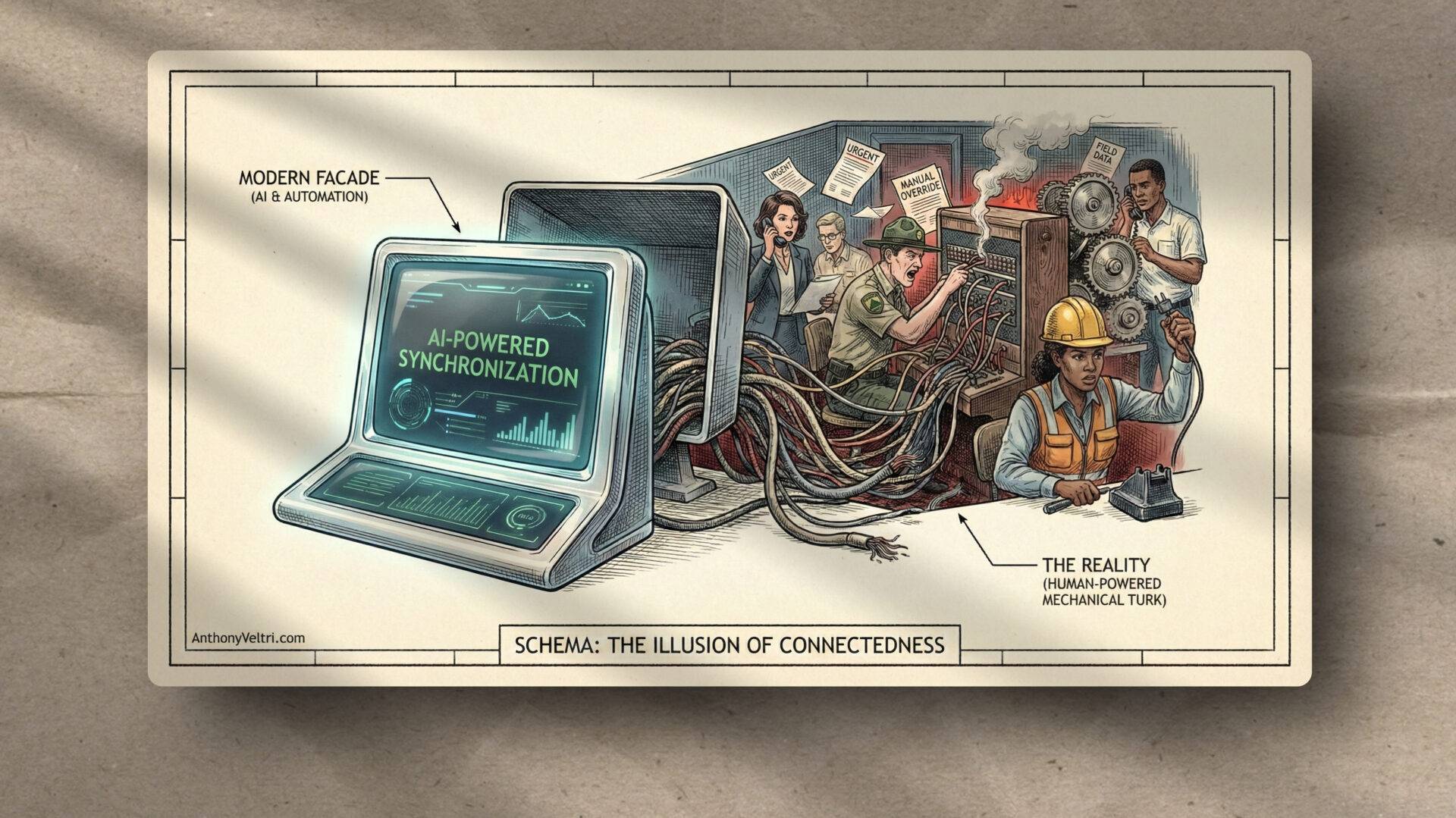
In modern defense and enterprise architecture, “Federation” is the dominant religion. The promise is that we can leave data where it lives (in partner nations or separate agencies) and simply connect it via APIs to create a Common Operating Picture.
This is a technical success but an operational failure.
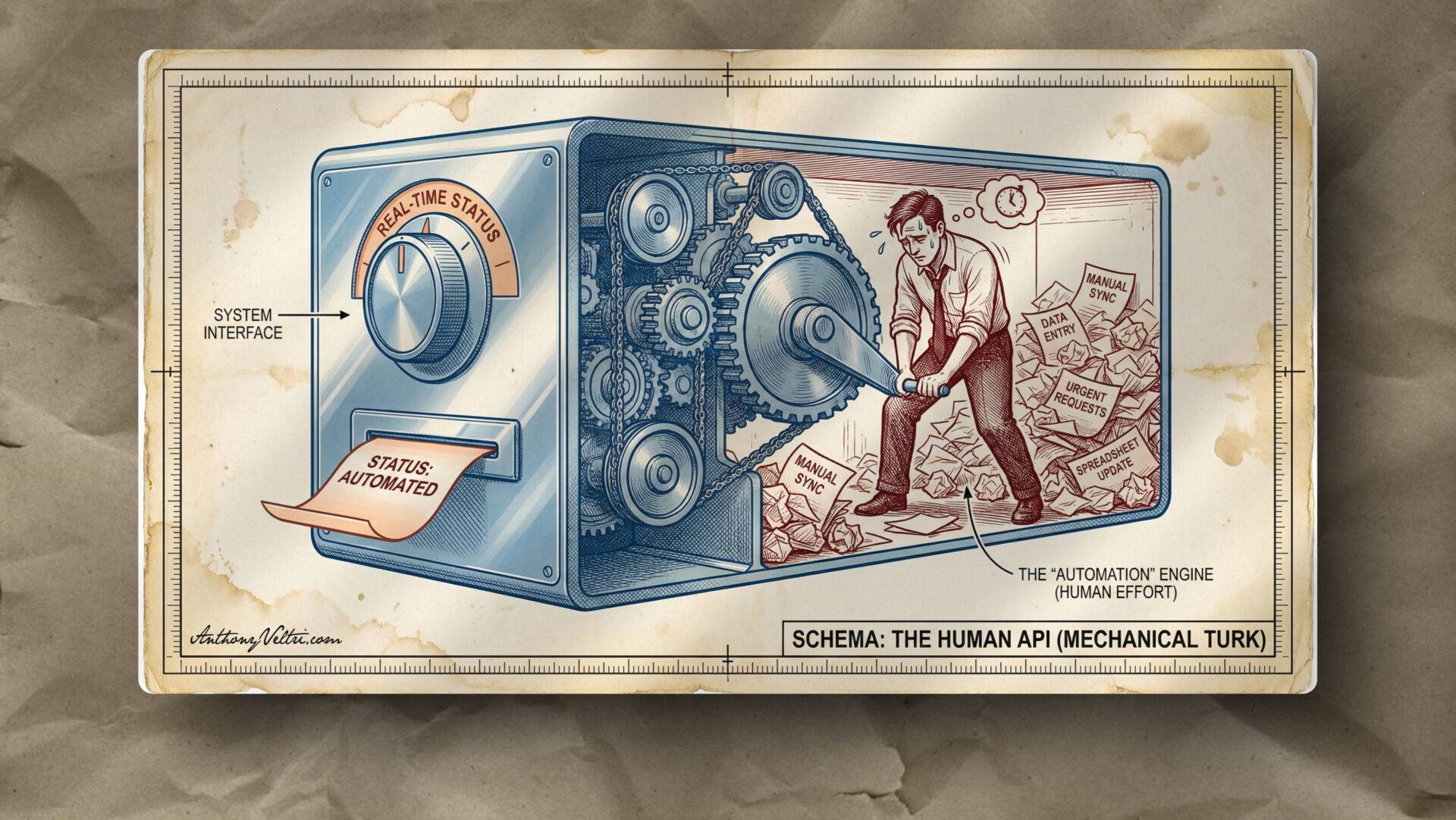
We obsess over the “pipe” (JSON, REST, tactical datalinks) and ignore the “water” flowing through it. If the French Army sends a signal for “Tank” (meaning a fuel storage unit) and the US Marine Corps receives “Tank” (meaning an armored vehicle), the API functioned perfectly. The XML validated. The schema parsed.
But the mission failed.
Interoperability is not about connecting wires. It is about Semantic Sovereignty. It is the boring, difficult work of agreeing on what words mean before you write a single line of code. Most federation projects fail because they build a highway system but forget to agree on which side of the road to drive on.
The Bridge: The Katrina Lesson (2005)
I learned this during the response to Hurricane Katrina. Following Katrina, we were trying to build iCAV (an early federated visualization tool) to aggregate data from DHS, DoD, and local responders.
We tried to force a “Standard.” We thought if we published a rigid data dictionary, everyone would comply. We were wrong.
In a crisis, no one rewrites their database to match your spec. They do not have the time. They do not have the budget. They barely have electricity. If your architecture requires “Compliance” from 50 partners, your architecture is dead on arrival.

When You Cannot Force Compliance: iCAV and the Federated View of Critical Infrastructure
I wrote about this dynamic in When You Cannot Force Compliance. The lesson is that Sovereignty is absolute. You cannot order a partner nation (or a separate department) to change their schema. You must design a system that accepts their “accent” and translates it in real-time.
The Pattern: Translation over Standardization
Since we cannot force the world to use one database, we must use a different pattern for interoperability. It relies on Translation rather than Standardization.
1. The Vocabulary Collapse
The biggest risk in federation is not a broken link. It is a “False Cognate.” This happens when two systems use the same word for different things.

Field Note: When Everyone Uses the Same Words But Means Different Things: Why Integration Fails When Vocabulary Collapses
As detailed in When Everyone Uses the Same Words, this is where integration usually dies. If you map “Status: Active” from a logistics system to “Status: Active” in a personnel system, you might inadvertently deploy a soldier who is “Active” (payroll) but “Inactive” (medical leave).
The Fix: You must map to a “Master Schema” that is owned by no one but understood by everyone. You do not connect System A to System B. You connect System A to the Concept, and System B to the Concept.
2. The Scalpel vs. The Swiss Army Knife
When architects try to solve this, they usually buy a massive “Enterprise Service Bus” or a bloated “System of Systems” platform. This is the Swiss Army Knife approach. It tries to do everything and does nothing well.

The Scalpel vs. The Swiss Army Knife: When Solo Integration Beats Federation
The better pattern (See: The Scalpel vs. The Swiss Army Knife) is Solo Integration. Use small, single-purpose translators. If you need to move position data, write a translator just for position data. Do not wrap it in a massive dependency. Fragility increases with the square of the complexity. Keep the translators dumb and the schema smart.
The Directive: Audit the Semantics
If you are evaluating a “Federated Mission Network” today, do not look at the network diagram. Look at the Data Dictionary.
- Stop verifying connectivity. We know the internet works. We know the cables transmit. That is solved.
- Start verifying meaning. Pick one boring field (like “Date Modified” or “Unit Type”). Ask three different partners how they calculate it. If the answers differ, your federation is a hallucination.
- Respect the boundary. Do not try to conquer your partner’s data. Build a “Customs House” at the border that inspects and translates their data as it enters your territory.
Schema is Sovereignty. If you control the definition, you control the reality. If you rely on someone else’s definition without checking it, you are just renting their confusion.
Last Updated on July 12, 2026