The New Guidance: On Waiting, Agency, and the Clock That May Have Changed
There is a phrase that moves through complex organizations and federal agencies like weather. You have heard it. You have probably said it. You may have said it this week.
“We are waiting for the new guidance.“
It sounds responsible. Prudent. The kind of thing a careful professional says when they want to signal that they are not acting rashly, that they are giving the system time to clarify itself before they move. In many environments, across most of a federal career, that instinct is correct. Budget cycles reset. Administrations change. Bad initiatives exhaust their sponsors. Waiting for clarity is often the right call.
But the phrase does something else that is worth naming carefully. It transfers the decision to a document. And it transfers the moral responsibility for not deciding to an absence. As long as the guidance has not arrived, you are not responsible for what you did not do. You were waiting. You were being professional. You were giving the system time.
The guidance does not change the fact that time passed. The clock does not wait for it.
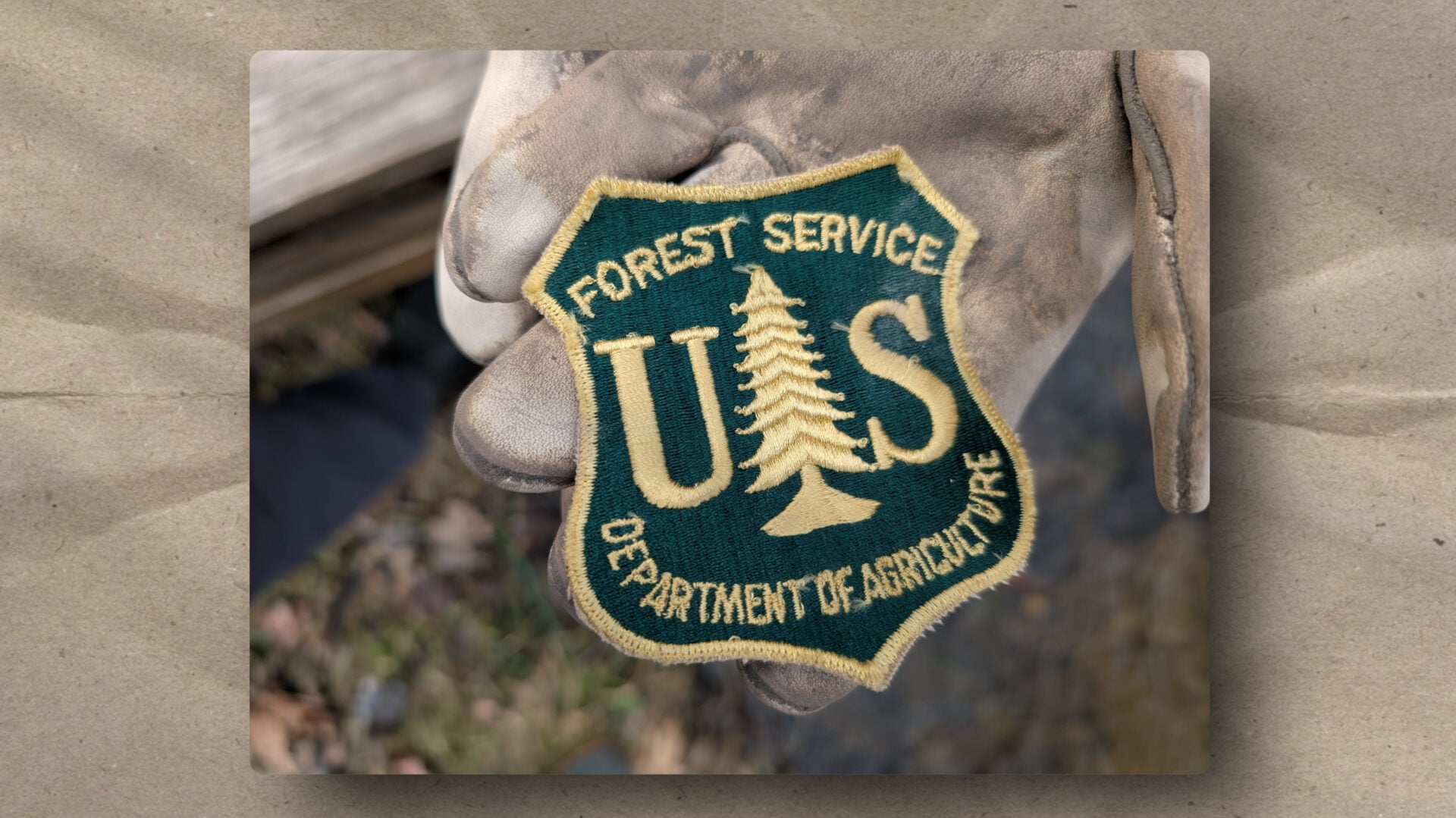
I registered the domain thenewguidance.com on February 7th, 2025, just days after my own elimination from federal service. I was not thinking clearly about much at that point. I was in the acute phase of something destabilizing and painful. But I was thinking clearly about that phrase, and about what it was doing to the people I had worked alongside for two decades. I filed it away without a clear application, the same way I had carried an account of Carthage’s final compliance demands for seventeen years after first hearing it described on a long drive between Forest Service district offices. Some observations arrive before the context that makes them useful. The elimination gave me the context. What it took until now was the distance to say it usefully rather than urgently, and the framework to say it in a way that might actually help someone. The domain redirects here.
This page collects the pieces in the archive that address the problem from different angles. Each stands alone. Together they make a single argument: waiting for the new guidance is a strategy, and like all strategies it works in some environments and fails in others. Knowing which environment you are in is the decision that matters most, and it is the one the guidance will never make for you.
Start Here
A Letter to Forest Service Colleagues: On the Clock That May Have Changed
The most personal piece in this collection. Written for people inside a specific institutional moment, but the pattern it describes applies anywhere the environment has shifted faster than the strategy has. If you are in the middle of something right now and do not have time for full frameworks, start here.
The Carthage Error: When Patience Becomes a Liability
The historical and doctrinal anchor for everything else on this page. Carthage chose compliance at every stage. Each concession was individually survivable. Each was accompanied by assurances that the next one would be the last. The cumulative effect was disarmament before the terminal demand arrived. This is what waiting for the new guidance produces in a specific kind of environment. The piece names that environment precisely and gives you a way to tell whether you are in it.
Field Note: Loosely Coupled Power Grabs
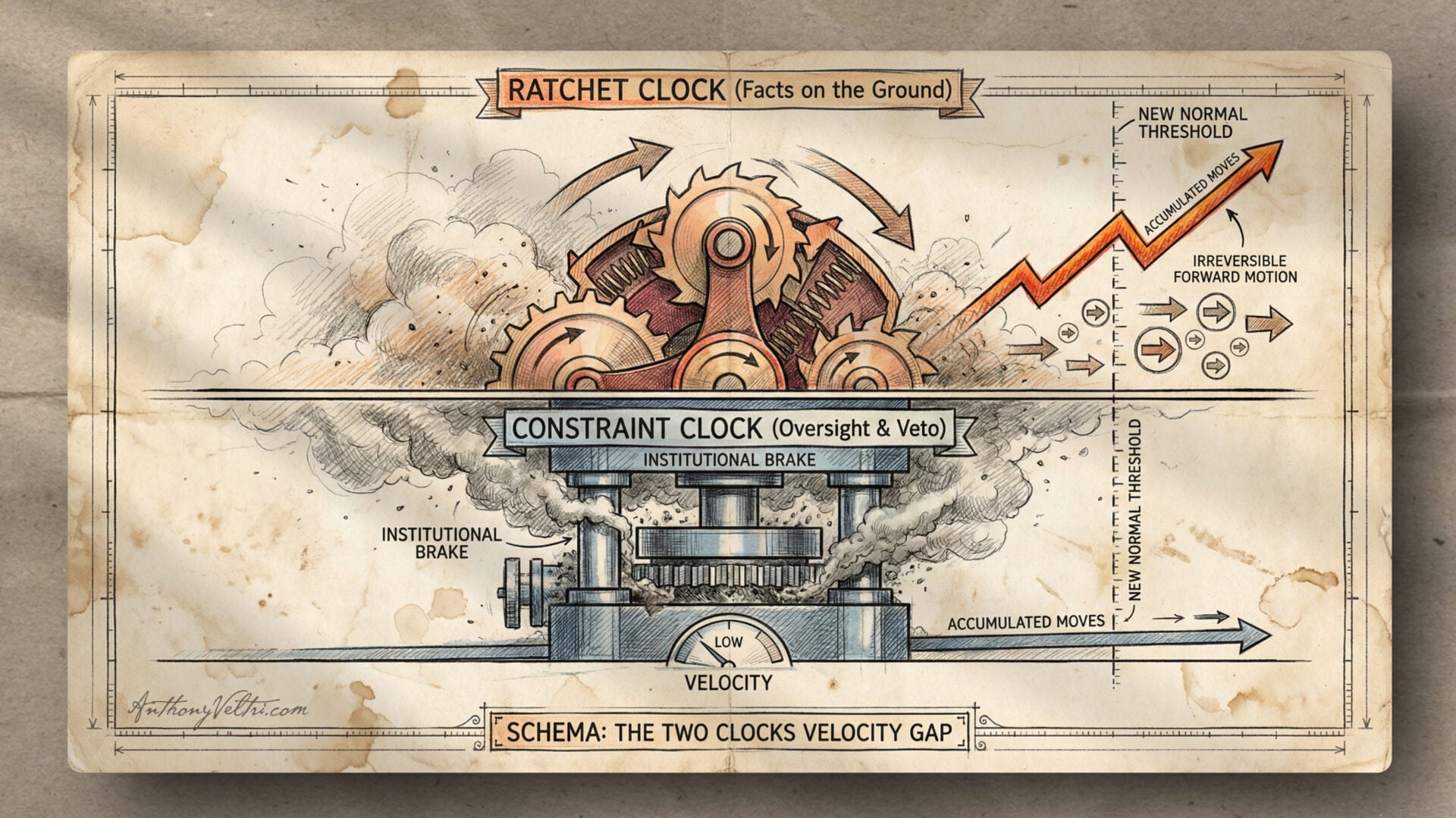
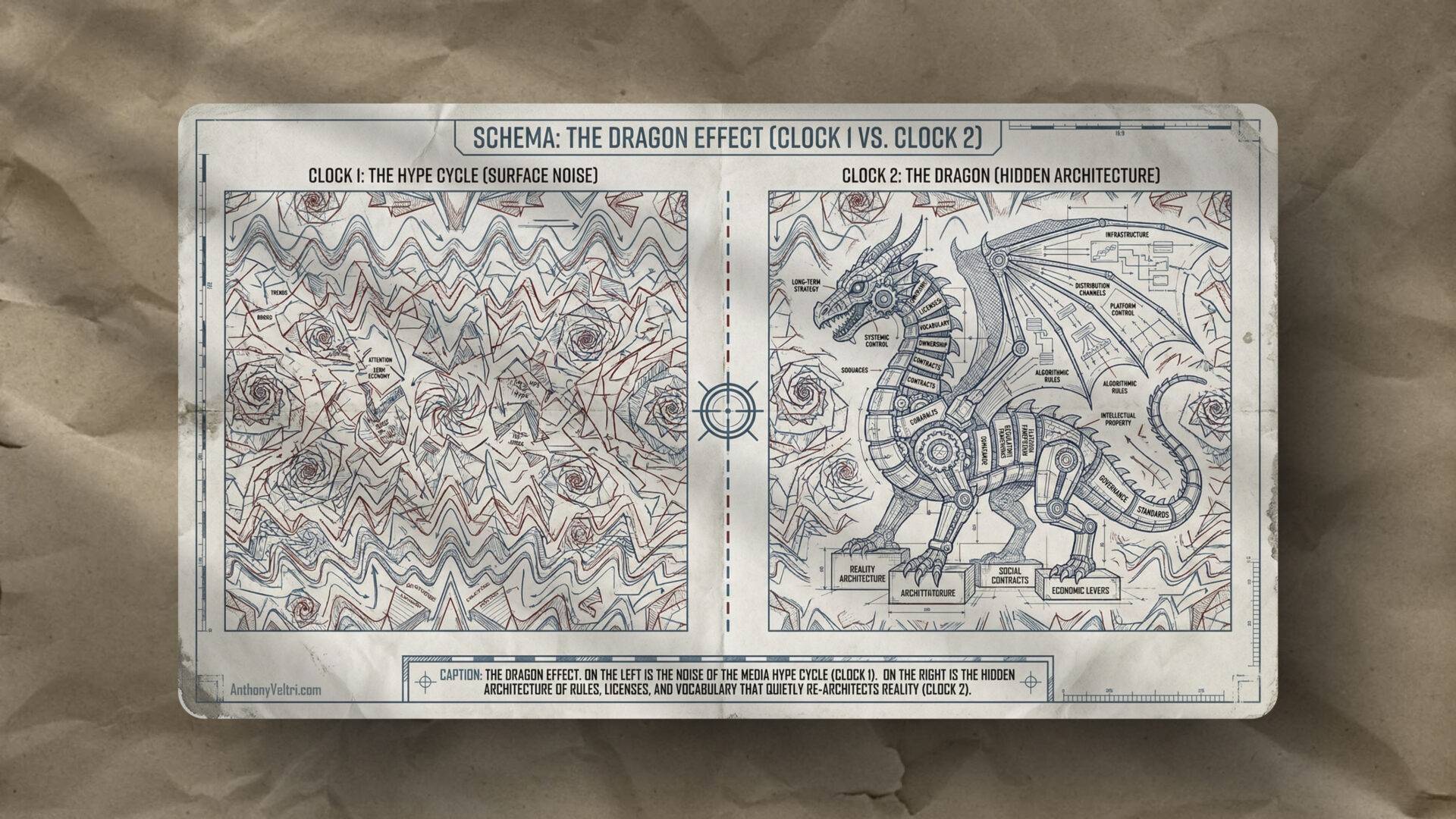
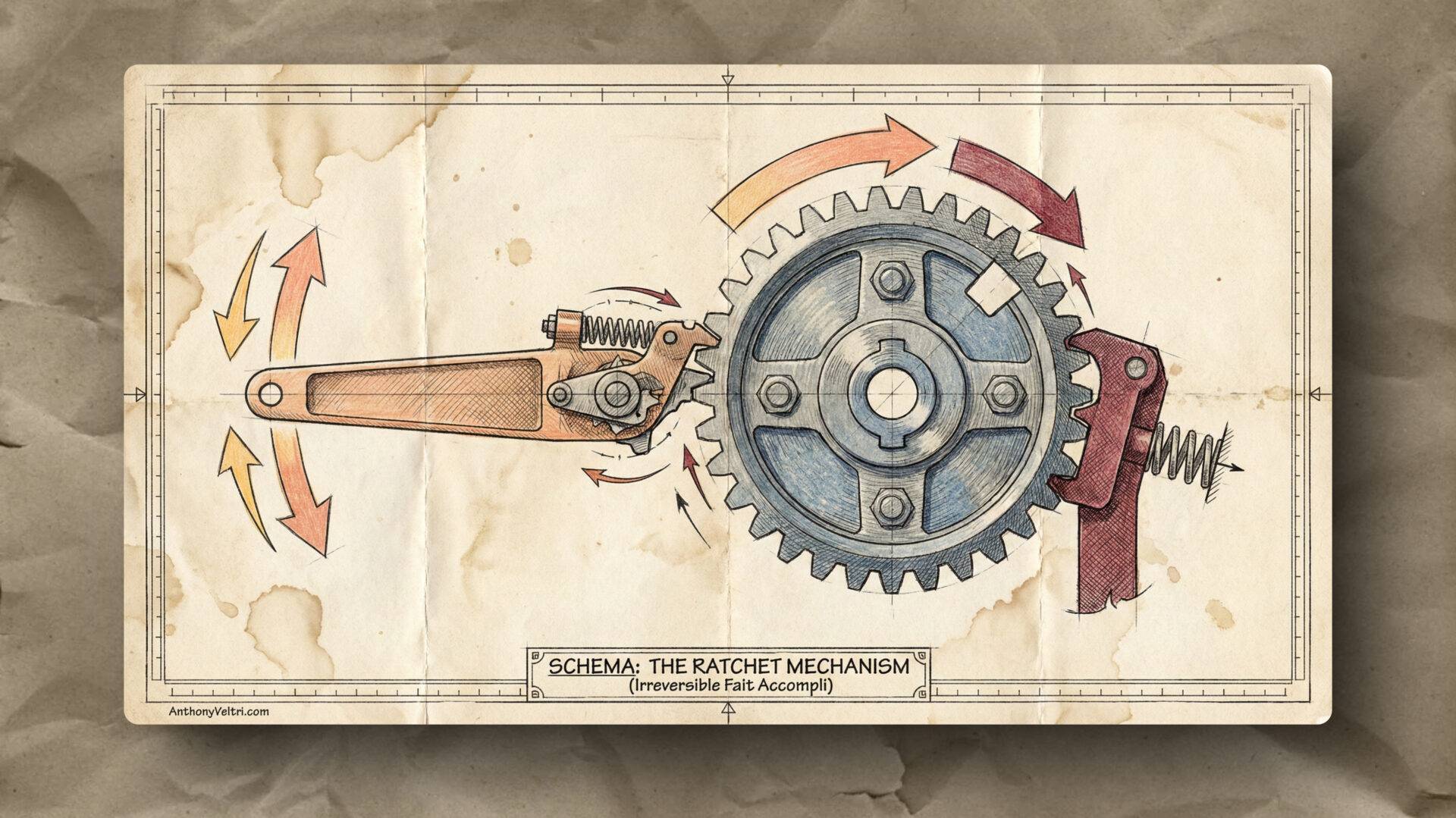
The mechanical explanation behind the clock distinction. Why does waiting work in some environments and fail in others? This piece provides the Two Clocks model: constraint clocks, where time and oversight eventually correct the system, and ratchet clocks, where action creates facts on the ground faster than constraint mechanisms can respond. If you want to understand the environment rather than simply be told it has changed, read this one.
Field Note: Conway’s Law and the Burden of Federation
A different angle on the same problem. When an institution ignores the organizational boundaries of its sovereign partners, the resulting system fractures along those boundaries regardless of what the mandate says. The new guidance often arrives as a mandate that ignores exactly this physics. This piece explains why compliance theater emerges not from bad faith but from structural mismatch, and what the alternative looks like.
The Lysine Contingency: How the Internet Stopped Being Meritocratic
The warrant-dependency argument at full scale. The dinosaurs in Jurassic Park could not produce lysine naturally. The park supplied it. Full capability, engineered dependency. Waiting for the new guidance is a lysine contingency in miniature: you have the judgment, the experience, and the competence. But the authorization to act has been externalized to a document. This piece names what that costs and what the alternative game looks like.
Who Are You to Speak? How Cultural Gatekeeping Silences Federal Expertise
For the people who have been told that their expertise does not transfer outside the institution. It does. This piece addresses the cultural mechanism that produces self-silencing in experienced federal practitioners, and draws a clear line between genuine classification obligations and the informal gatekeeping that operates well below that threshold.
The Question Underneath All of It
At what point does waiting for guidance stop being prudent and start being a decision you did not realize you were making?
That question does not have a universal answer. Each person reads their situation from the inside. But it is worth asking honestly, not once, and not only when the next memo arrives.
The guidance is not coming to make the decision for you. It never was.
The notes mentioned above:

A Letter to Forest Service Colleagues: On the Clock That May Have Changed

Field Note: The Carthage Error (When Patience Becomes a Liability)

Field Note: Loosely Coupled Power Grabs

When the Internet Stopped Rewarding Merit: The Lysine Contingency and the New Game

Field note: Conway’s law and the burden of federation

Who Are You to Speak? How Cultural Gatekeeping Silences Federal Expertise (Even When Legally Permitted)
Last Updated on August 5, 2026