Doctrine Is Not Best Practices: A Field Note From the Kitchen
Hubbard Brook, stewardship under pressure, and the difference between describing the dish and making it
One of the reasons Iron Chef is so compelling is that the challenge is never just technical knowledge.
A strange ingredient appears. Maybe it looks obscure, awkward, or barely usable to anyone outside the kitchen. A normal person might look at it and think its highest use is feed for the chickens. The chef sees something else. Not because they own more cookbooks or gadgets, and not because they spent twenty years repeating the same simple task, but because theory and practice have fused into judgment. They can see what belongs together, what needs to stay separate, and what can be made quickly under pressure.
That is one of the unintended things Doctrine became for me.
A note on vocabulary before we go further. This site uses the word Doctrine deliberately and it is worth saying why. Best practices are what you follow when the situation fits the template. They are useful, transferable, and reasonably reliable in stable conditions. But best practices are written for the world as it usually is. They do not survive contact with reality when reality refuses to cooperate.
Doctrine is what remains when best practices run out. It is the first principles layer. The thing you fall back on not because it tells you what to do but because it tells you how to think when the template has failed and the clock is running.
A way to close the gap
I built this archive because I learned, the hard way, that being able to do the work is not the same thing as being able to assemble the components quickly under pressure. Some people are very good at explaining the dish. Some are very good at making it. The challenge is that institutions do not always know the difference.
Over time, Doctrine became a way to close that gap. Not by replacing time in the trenches, but by making patterns, tools, and prior cases close enough at hand that I could recognize a new problem quickly when it appeared.
Hubbard Brook was one of those moments.
What the Moment Actually Required
When the USDA announced a major administrative restructuring and the Hubbard Brook Experimental Forest was suddenly exposed, many of the early responses were sincere and informed. But they treated it like a standard ingredient: a budget cut.
Critically, knowing something matters is not the same as understanding what kind of intervention the moment requires.
What I saw was not simply a budget problem. It was a stewardship problem.
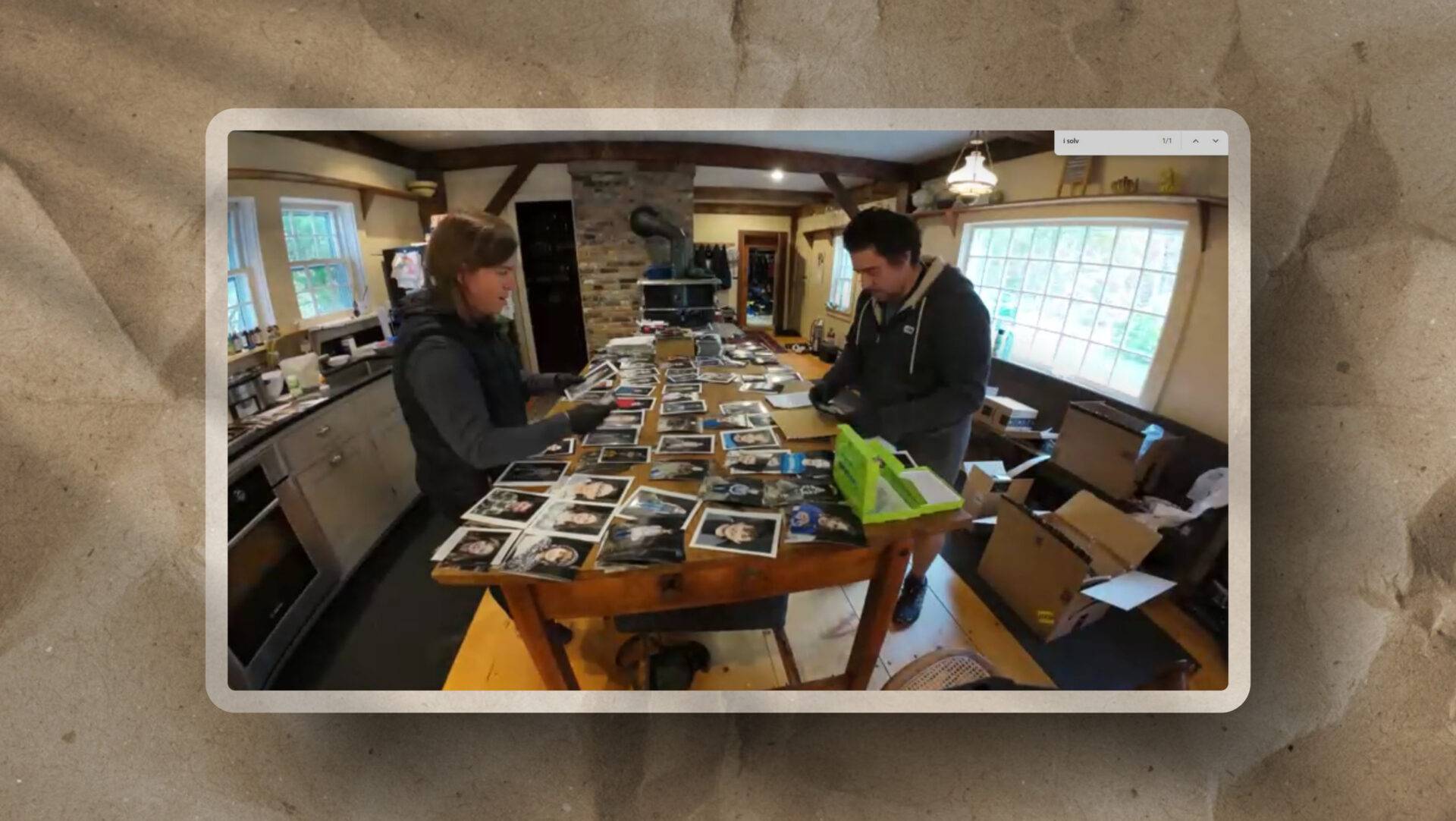
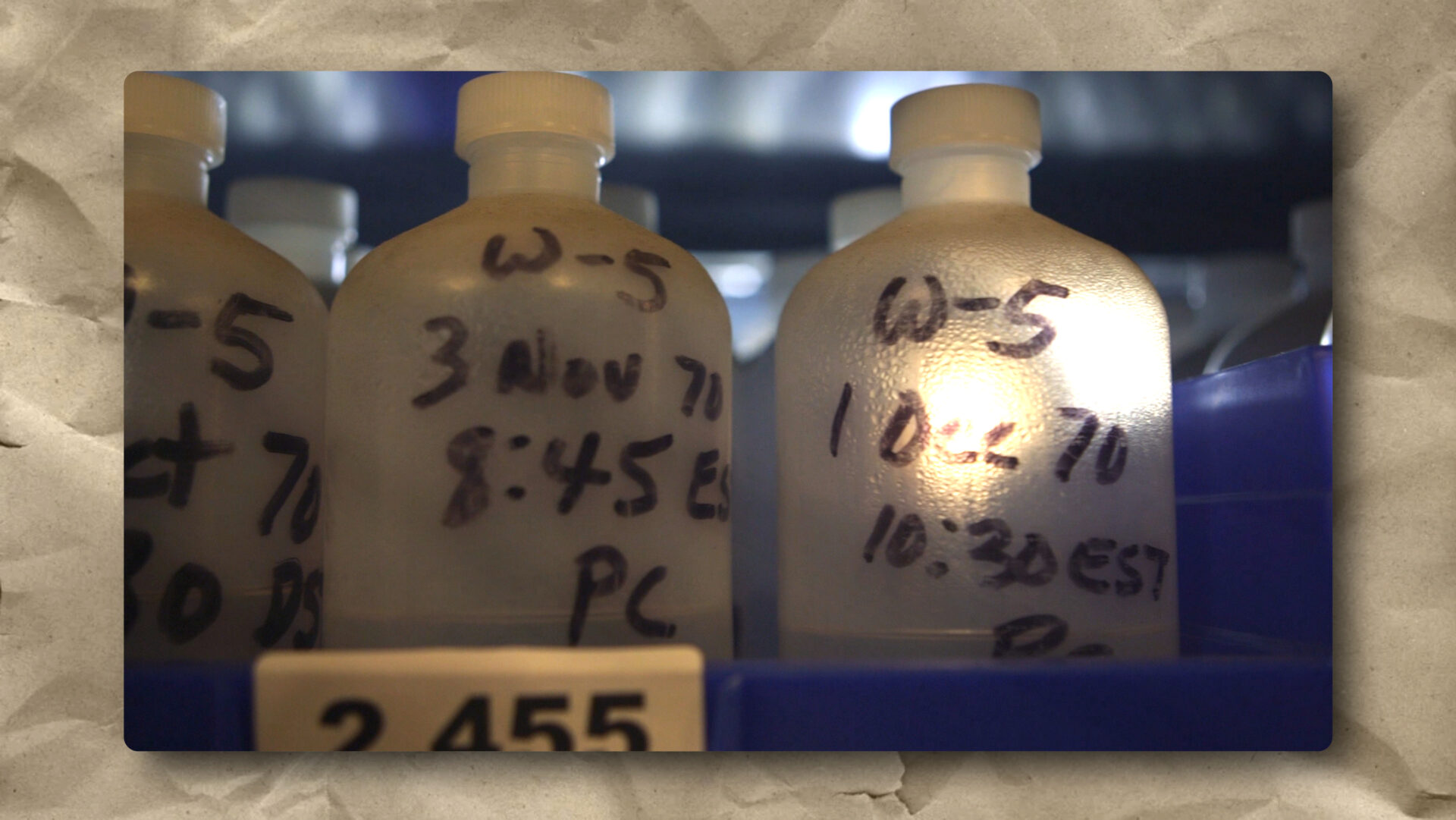
Hubbard Brook is not just a facility. It is part of a long-running obligation to preserve continuity in environmental observation. Among the most tangible examples is the physical sample archive: tens of thousands of continuous environmental samples maintained under active temperature control across decades. Once that chain is broken, you do not simply restart it later and recover what was lost. Continuity is one of those things that only exists because someone kept it intact.
If the issue had only been scientific importance, then statements of support and literature summaries might have been enough. But this was an administrative machine preparing to treat a load-bearing stewardship obligation like surplus inventory before anyone was forced to account for the consequences.
That called for a different kind of response.
Where Doctrine Mattered
This is where the archive did its work.
Without it, I would still have had pieces of the picture. I had worked around these worlds before. I understood some of the science side, some of the governance side, some of the public communication side, and some of the appropriations side. But those pieces had mostly lived as fragments, each useful in its own lane.
Doctrine made it possible to assemble them quickly.
It helped me see that this was not a one-track problem. It required two distinct forms of work happening in parallel, each serving a different function.
One track was public. The issue needed to be reframed in a venue that actually mattered to New Hampshire. Not as a generic complaint about cuts, and not as a technical argument buried inside specialist language, but as a question of stewardship, accountability, and transition. If the state was going to lose something this consequential, the public deserved to understand what was actually at risk and why a transition plan was not optional.
The other track was private. Public attention alone rarely tells an institution what to do. It creates focus. It raises the temperature. But somewhere else, someone still has to translate that attention into a form that gives decision-makers a practical path to act. In this case, that meant preparing a short briefing that did not merely say this matters, but also clarified what a serious response could look like in structural terms.
Those two tracks were related. They were not interchangeable.
The public-facing piece could make the stakes visible. It could localize the issue. It could help attentive readers, staff, and elected officials see that this was not just another bureaucratic shuffle. But it could not carry the whole burden.
The private brief could do different work. It could narrow the problem, point toward concrete options, and reduce the distance between concern and action. But without visible public attention, even good options can remain abstract.
Doctrine did not hand me a script. It shortened the time between recognition and assembly.
The Working Kitchen
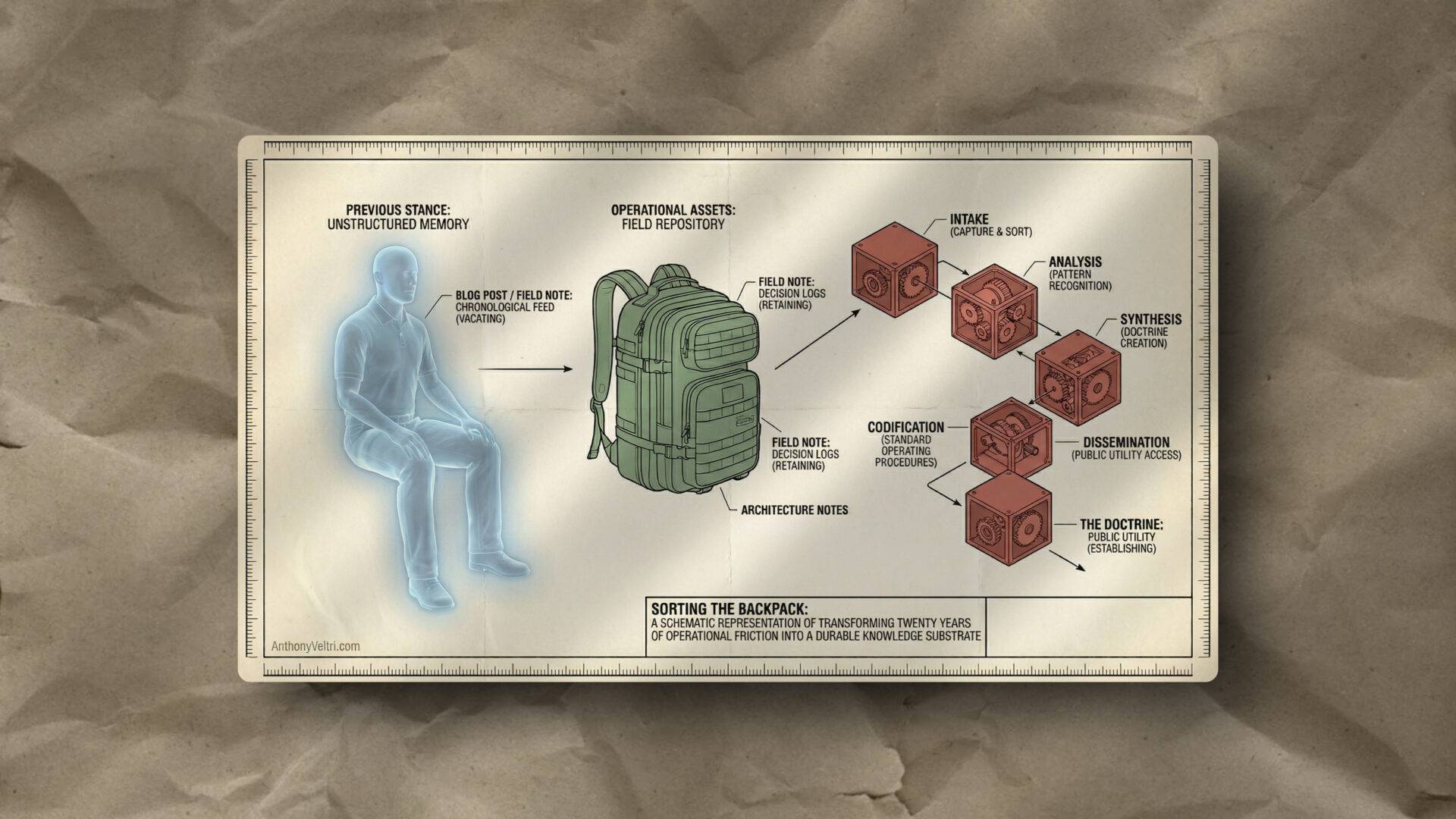
People sometimes imagine archives as passive things: shelves full of notes, examples, and half-forgotten ideas. Sometimes they are. But if they are built carefully enough, they become something more like a working kitchen. Not a museum of ingredients, but a place where ingredients can be turned into something useful when the clock is running.
That is what happened here.
I did not act because it was my formal duty. I acted because the tools were already close at hand, the gap was visible, and the duty of care was obvious. Once you can see that a stewardship obligation is about to be treated like surplus inventory, it becomes much harder to pretend the problem is someone else’s to name.
One visible part of that response was my New Hampshire Bulletin piece on Hubbard Brook.
That article is only one piece of the story. But it sits on top of the realization that Doctrine had quietly become what I had hoped it would be all along. A place where the pieces could be assembled quickly. Quickly enough to matter before the window closed.
Last Updated on May 2, 2026