Evidence Does Not Implement Itself: Why Science Needs Stewards at the Policy-Implementation Seam
The Seam Nobody Owns.
This piece addresses the governance failure one layer above what the field normally sees. Agencies reorganize, archives are threatened, scientific communities mobilize. That is the visible problem. This piece addresses the prior, structural failure that makes it possible: no named function exists to carry the scientific value of long-term research infrastructure into the administrative decisions that determine its survival. The evidence is real. It has no route into the room. A companion piece addressing the governance gap in long-term ecological archives was published in Eos, the journal of the American Geophysical Union, on May 27, 2026.
The argument develops three recurring failure patterns:
- The named ownership gap
- The manual reporting tax
- The orphaned platform
These three patterns are then framed through a five-layer stewardship taxonomy that identifies where each failure occurs and what governance instrument addresses it. The primary instrument is named translational stewardship: a role with formal authority and accountability for the seam between evidence and decision, distinct from scientific work and from communications, and required as a funder mandate rather than left to emerge from institutional goodwill.
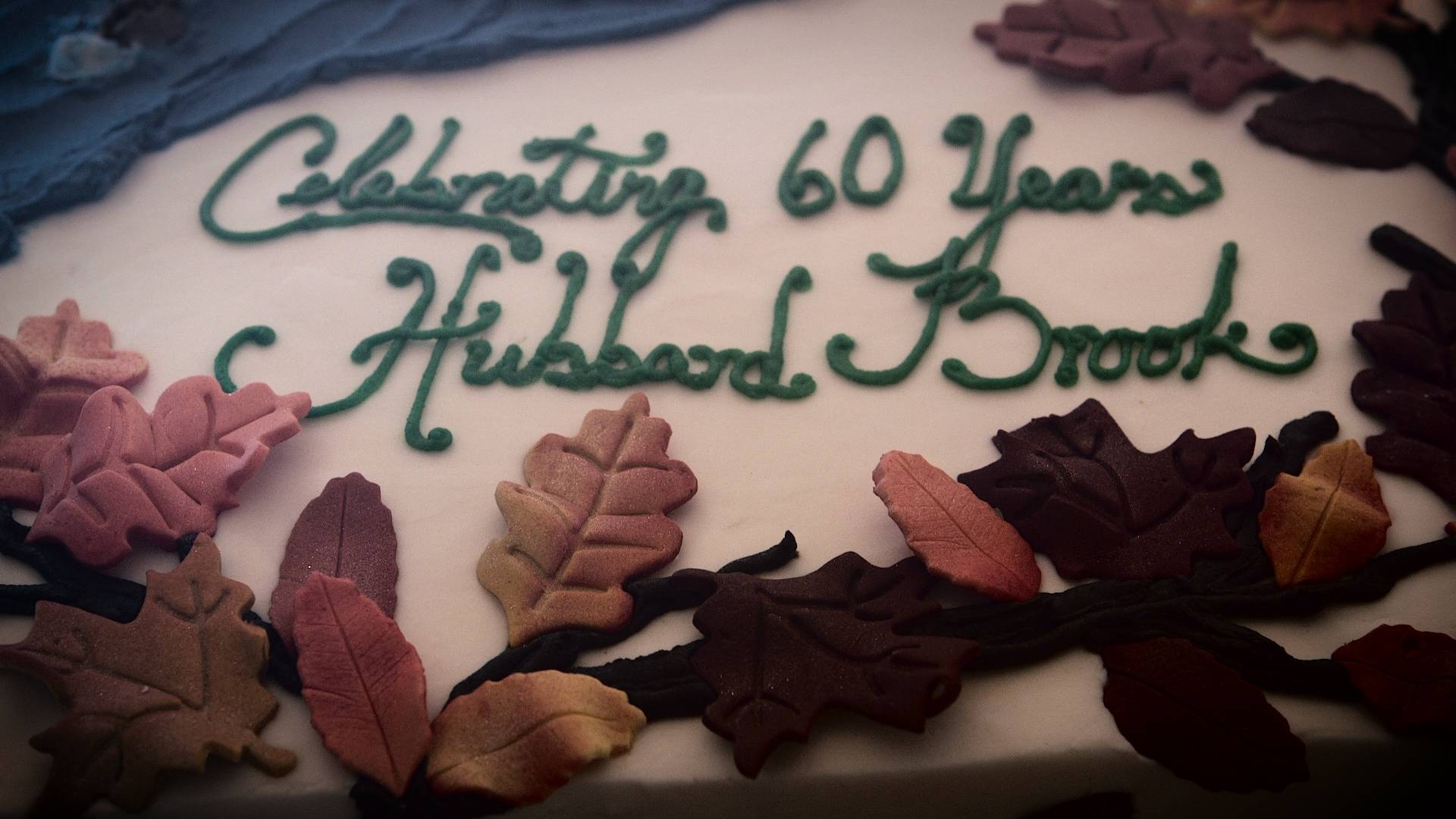
The operational base is two decades of direct practice at the science-policy interface: USDA Forest Service enterprise governance, DHS geospatial federation at scale, disaster response deployments including Hurricane Katrina and Hurricane Florence, and regulatory policy in federal programs. The Hubbard Brook case is the opening frame. The argument is designed to apply across the federal Experimental Forests, Ranges, and Watersheds network, across the LTER and AmeriFlux programs, and across every institution that produces long-term scientific evidence and needs it to survive reorganizations and budget cycles.
A companion Forum response to the Dosemagen and Ottinger essay “Constructing a New Knowledge Infrastructure” is in production at Issues in Science and Technology and will appear there in late June 2026.
Submission History
A version of this argument was first pitched to Issues in Science and Technology because of its direct connection to the Dosemagen and Ottinger essay published in their Spring 2026 issue. The editors suggested the Forum section as a more immediate vehicle for engaging the Dosemagen and Ottinger readership directly, which made sense, and I accepted. The Forum response is the shorter companion. The full argument is published here under CC-BY-NC-4.0 because a complete version deserves a permanent home on its own timeline.
This work is licensed under Creative Commons Attribution-NonCommercial 4.0 International (CC BY-NC 4.0). You are free to share and adapt this material for non-commercial purposes with appropriate attribution to the author and a link to this page.
PDF below.

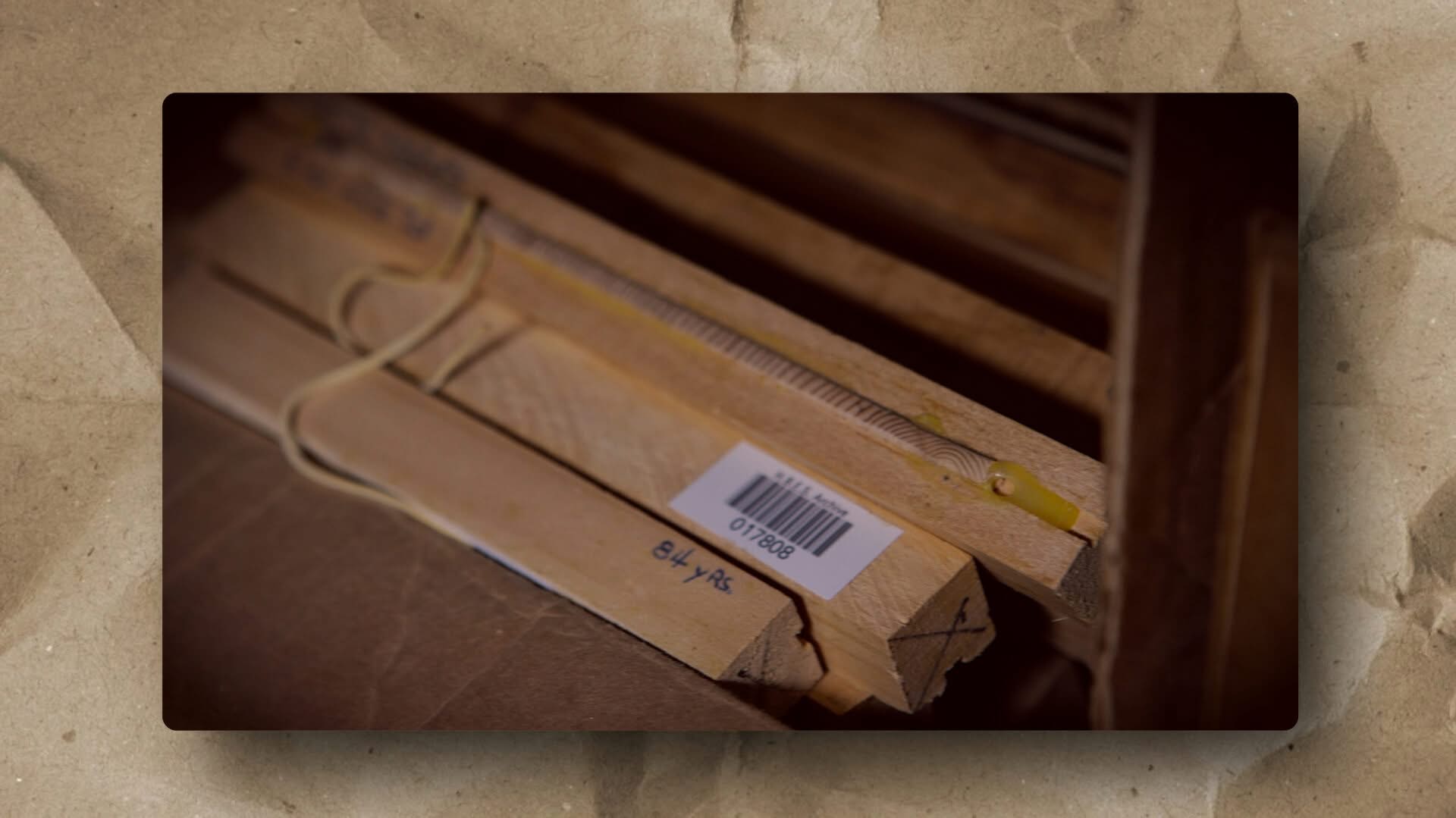
Featured image: A portion of the physical archive at Hubbard Brook Experimental Forest in New Hampshire. More than 60,000 barcoded and cataloged samples of water, soil, plant material, and physical cores span seven decades of continuous collection. This is what option value looks like before it has a route into the room. Photo: Anthony Veltri.
Last Updated on June 9, 2026